

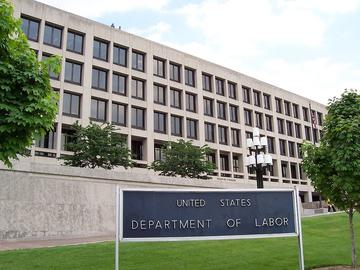
WASHINGTON–A wide swath of middle-income Americans are concerned about the potential outcomes that the Department of Labor’s proposed conflict of interest rule will have on their retirement preparation, according to a new study of more than 1,000 middle-class IRA holders.
Of particular concern for IRA holders is the potential effect the proposed rule could have on access to, and choice of, retirement products, with the potential creation of a two-tiered system for the provision of retirement services, where only wealthy investors get the best retirement advice.
The findings, from a new survey by Global Strategy Group, show that 86% of IRA holders are concerned that the proposed DOL rule may cause them to lose access to a personal financial advisor in exchange for automated “robo-advisor” advice. When asked to choose between advice from a human financial advisor or a computer, IRA holders say they are more comfortable with a human financial advisor (65%) than a computer (35%).
More than 75% of IRA holders are overwhelmingly satisfied with their financial advisors and have great confidence in the advice they are receiving, the report shows. The overwhelming majority of respondents say the path forward is for the Department of Labor (DOL) to work with the Securities Exchange Commission (SEC) and the Financial Industry Regulatory Authority (FINRA) to ensure consistent standards across regulators.
“This survey demonstrates that Americans value their relationships with their financial advisors, have confidence in the advice they’ve been receiving and do not want the government to interfere with how they access the help they need,” said Francis Creighton, Financial Services Roundtable (FSR) EVP of government affairs. “People value individualized, professional advice to help them plan for and stay on track for retirement. Especially during stressful periods of market volatility like we are currently experiencing, the government needs to protect this retirement advice, not make it more difficult to access.”
Key findings:
Customers like their advisors, believe advisors put their customers’ best interest first:
Of those IRA holders who have access to and have sought advice from a financial advisor, nine-in-ten (92%) say they are satisfied with the financial advice they have received.
Moreover, a broad majority of all IRA holders are confident that a financial advisor will provide advice that is in the best interest of their client. Among those with access to a dedicated financial advisor, 97% say they are confident that a financial advisor would provide advice that is in the best interest of their client, including 63% who are very confident, according to the study.
Customers want to talk to humans more than computers:
When asked to choose between advice from a human financial advisor or a computer, IRA holders say they are more comfortable with a human financial advisor. This sentiment is particularly strong among those who describe themselves as “not financially literate” and those who are retired – 81% and 77% respectively say they are more comfortable with advice from a human than advice from a computer.
Retirement savers are concerned that the proposed rule will limit choice and access to financial advice:
A clear majority of middle-class IRA holders find every potential implication of the DOL rule concerning. 80% or more find each possible outcome concerning and a majority of IRA holders find nearly all implications very concerning to them.
Limits on access, choice, and education are among the most concerning potential outcomes. While nearly all find these concerning, at least three-in-five (60% or more) find these outcomes very concerning.
The potential disproportionate negative impact on middle-class Americans is also among the most concerning outcomes.
When told that middle-class Americans may lose access to a personal financial advisor in exchange for automated advice, 86% say they find this concerning with a majority (58%) who say they find this very concerning, the study indicates.
This concern extends to the financial advice advantage the wealthy will potentially gain if the rule is implemented in its current form; 86% say that the wealthy getting better advice than middle-class Americans is concerning to them, including a majority (56%) who say this is very concerning to them.
The FSR is recommending changes to the DOL proposed rule.
“Retirement security is one of the most significant challenges facing our country. FSR appreciates that the DOL recognizes the need for solutions to this challenge. FSR encourages the DOL to respect the concerns of IRA holders and consider significant changes to the proposed rule to preserve the robust choice of products, advice and services currently available to retirement savers,” the FSR stated.