

WASHINGTON—The vital role of credit unions as community lenders—and the changes needed to help them serve more small business needs—was a big focus this week during the House Small Business Committee hearing on Small Business Administration (SBA) programs, America’s Credit Unions reported.
And, during the hearing, the credit union tax status was addressed.
The committee heard from Mike Sims, chief commercial banking officer at Georgia’s Own Credit Union, who testified on behalf of America’s Credit Unions on ways to allow credit unions to serve more people.
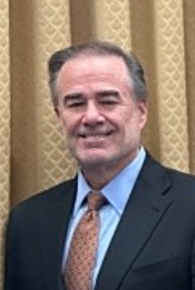
Mike Sims
“One of the most pressing challenges facing credit unions in expanding their utilization of the SBA’s lending programs is the complexity of program requirements,” he said. “While credit unions are eager to grow their SBA loan portfolios, many report that the administrative burden makes it extremely difficult to do so. Lack of internal expertise and high costs associated with participation remain significant barriers.”
Rep. Brian Jack (R-GA) said the impact credit unions have on the economy is evident, and parts of Georgia that are doing well economically are fueled in large part by small businesses “that are often dependent on credit unions.”
CU Tax Status
Jack asked Sims, as tax reform discussions continue, to share with the committee and members of Congress what would happen if the credit union tax status is changed.
“Credit unions return over $36 billion to the economy annually, thanks to the tax exemption, which is estimated to ‘cost’ just under $3 billion, so there’s multiple times over return on that,” Sims said. “Eliminating or changing the credit union tax exemption would change the nature of how we do business with our business members. And quite honestly, I think you would see fewer credit unions, especially in rural markets, which would lead to less deployment of capital, including through the SBA’s programs. Which would be a detriment to business members as well as consumers in the marketplace.”
Jack said he hoped that Congress would “consider some of the impact of tax provisions we are considering and know that we’re here to deliver pro-growth policies.”
Rep. Martha McIver (D-NJ) said protecting the ability of community financial institutions and the SBA to provide access to capital is “especially critical to protecting the gains made by underserved communities in recent years.”
Committee members asked Sims how to ease regulatory burdens, including any specific recommendations for loan programs.
“The products and programs themselves are very good, they’re flexible and appealing to people who need them. The processes themselves, not as good,” Sims said. “I can point to specific examples within our organization where we’ve seen a decline in our SBA loan production from 2022 to 2024 to the tune of about 25%. The vast majority of that is due to burdensome regulatory environment procedures associated with moving applications through the SBA. It becomes a timing issue, and then money doesn’t get to the business as quickly as we’d like.”