

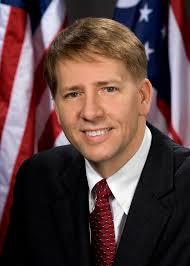
Richard Cordray
WASHINGTON–The director of the CFPB told Congress yesterday it is doing the job it was intended to do by the Dodd-Frank legislation.
In its semi-annual report to Congress, Richard Cordray told the House that as of Sept. 30, 2015, the CFPB’s database included more than 465,000 complaints from consumers about financial products and services from all over the country. The Consumer Complaint Database gives consumers a choice to share in their own words their experiences with the consumer financial marketplace.
“Only those narratives for which opt-in consumer consent is obtained and to which a robust personal privacy scrubbing process is applied are eligible for disclosure,” told Congress. The CFPB gives companies the opportunity to respond publicly to the substance of the consumer complaints they receive from the CFPB by selecting from a set list of public-facing response categories. Companies are under no obligation to avail themselves of the opportunity.”
Other points made by Cordray during his prepared remarks:
- The Bureau is also working to provide tools and information to develop practical skills and support sound financial decision-making directly to consumers, including being able to ask questions and to plan ahead. That includes the “Ask CFPB” online tool that provides answers to over 1,000 questions about financial products and services.
- The CFPB is working with other government agencies, social service providers, and community service providers to develop channels to provide decision-making support in moments when consumers are most receptive to receiving information and developing financial decision-making skills.
- In the six months covered by its most recent report, the CFPB’s supervisory actions resulted in financial institutions providing more than $95 million in redress to over 177,000 consumers. During that timeframe, the Bureau said it also announced orders through enforcement actions for approximately $5.8 billion in total relief for consumers who fell victim to various violations of consumer financial protection laws, along with over $153 million in civil money penalties.
- The Bureau has published new guidance documents, in partnership with other regulators where appropriate, to help institutions know what to expect and how to become, or remain, compliant with the law, including bulletins on private mortgage insurance cancellation and termination, the Section 8 housing choice voucher homeownership program, and interstate land sales.
- The CFPB’s Research and Markets teams released a data point on “credit invisibles” and technical reports regarding the National Survey of Mortgage Borrowers and the National Mortgage Database. The Regulations office issued regulations modifying and clarifying a number of rules implementing changes made by the Dodd-Frank Act to the laws governing various aspects of the mortgage market, including amendments relating to small creditors and rural or underserved areas under Regulation Z, which, among other things, increased the number of financial institutions able to offer certain types of mortgages in rural and underserved areas, a rule moving the effective date of the Know Before You Owe mortgage disclosure rule to October 3, 2015, and an interpretive rule on homeownership counseling organizations lists and high-cost mortgages, Cordray said.
- The CFPB has published a number of plain-language compliance guides summarizing certain rules, and it has actively engaged in discussions with industry about ways to achieve compliance. Cordray said his agency has also continued its efforts to streamline, modernize, and harmonize financial regulations that it inherited from other agencies.
- As of September 30, 2015, the CFPB team consisted of 1,486 employees.