

WASHINGTON—The Defense Credit Union Council Monday sent a letter to House Financial Services Committee leaders ahead of Tuesday’s hearing, “Oversight of Prudential Regulators,” thanking the Committee for its attention to issues vital to America’s credit unions and the millions of members they serve.
The trade group also sent a letter to Treasury expressing concern over FinCEN’s alert on “Cross-Border Funds Transfers Involving Illegal Aliens.”
In the letter to the HFSC, DCUC urged continued oversight that strengthens the partnership between regulators and community-based financial institutions, highlighting priorities such as:
• Preserving the National Credit Union Administration’s (NCUA) independent, tailored oversight
• Improving access to liquidity through the Central Liquidity Facility (CLF)
• Reducing regulatory burdens
• Supporting policies that protect consumers—including servicemembers—and expand access in underserved areas

Jason Stverak
DCUC stressed the importance of NCUA’s independence and credit unions’ not-for-profit, member-owned structure.
“This approach enables lower costs and better service without taxpayer exposure,” said Jason Stverak, DCUC chief advocacy officer. “We are asking Congress to safeguard NCUA’s independence and avoid one-size-fits-all regulations that have cost credit unions nearly $6.1 billion annually since Dodd–Frank.”
DCUC expressed support for improving NCUA transparency, modernizing examinations, and increasing regulatory review under proposals like the REVIEW Act. DCUC also supports the TIER Act and American FIRST Act, which would better tailor regulation and increase transparency around global standard-setting.
“We’re encouraging policymakers to reduce barriers for new community-based institutions, credit unions or banks, to ensure underserved and military communities have access to local financial services,” added Stverak.
Stverak also noted that temporary pandemic-era CLF enhancements expanded access from 283 to over 4,100 credit unions, providing a critical liquidity backstop—especially for on-base credit unions. When these provisions expired in 2022, more than 3,300 credit unions lost access, shrinking the system’s liquidity buffer by nearly $10 billion.’
“The bipartisan Padilla-Cramer amendment would restore these powers at no cost to taxpayers,” Stverak said. DCUC strongly supports making these enhancements permanent in the FY2026 NDAA.
DCUC’s letter called for continued bipartisan support of the CDFI Fund reforms passed in the Senate version of the NDAA and also thanked the Committee for addressing fraud prevention through the TRAPS Act, as servicemembers and seniors remain frequent targets.
“We look forward to working with Congress on balanced, pro-credit-union reforms that support the 144 million Americans who rely on their credit unions,” Stverak said.
DCUC proposed several questions to be asked of NCUA Chairman Kyle Hauptman, a key witness at the upcoming hearing:
- The Senate’s NDAA includes bipartisan provisions (the Padilla-Cramer amendment) to permanently enhance the NCUA’s Central Liquidity Facility. Do you support these CLF enhancements becoming law, and how would making the pandemic-era CLF improvements permanent help credit unions – especially smaller defense credit unions – protect their members during future crises?
- In the interim before any new CLF legislation is enacted, what steps is NCUA taking to ensure that small and mid-sized credit unions (including those serving military bases) have adequate access to emergency liquidity? For example, are you encouraging more credit unions to join the CLF or exploring other avenues to address the liquidity gap that arose after the temporary CLF authorities expired in 2022?
- The Committee is considering the REVIEW Act, which would mandate more frequent regulatory review by financial regulators. Will you commit to having NCUA conduct regular, rigorous reviews of its regulations to identify and reduce rules that are outdated or overly burdensome for credit unions? In your view, which areas of regulatory relief for credit unions (especially those serving military and low-income populations) should be prioritized in such a review?
DCUC Raises Concerns Over FinCEN Alert’s Potential Harm to Military Financial Readiness
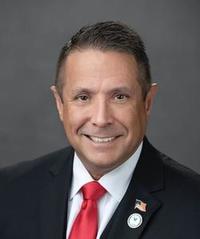
Anthony Hernandez
Separately, DCUC sent a letter to the U.S. Treasury expressing concern over FinCEN’s Nov. 28 alert on “Cross-Border Funds Transfers Involving Illegal Aliens.”
While DCUC supports efforts to combat illicit finance, DCUC President/CEO Anthony Hernandez cautioned that the alert, without clearer guidance, could unintentionally disrupt lawful transactions made by servicemembers, veterans, and their families, many of whom rely on cross-border transfers during deployments and relocations.
Hernandez warned that the alert’s broad scope and limited clarity may lead financial institutions to “over-comply” by flagging or blocking legitimate transfers, filing unnecessary Suspicious Activity Reports, or restricting routine remittances. These unintended consequences could delay or deny mission-critical financial support for military families, creating hardship and undermining financial readiness.
To prevent such disruptions, Hernandez urged the Treasury to adopt three key measures:
· Targeted Guidance: Clear instructions for military-serving banks and credit unions on how to comply without impeding lawful transactions, including risk indicators and reassurance that routine military-related remittances are not the alert’s focus.
· Clarification for Military Transfers: A formal statement that transfers involving U.S. servicemembers, veterans, or their lawful family members should not be treated as suspicious based solely on geography or immigration status.
· Regulatory Safe Harbor: Temporary protection for institutions acting in good faith while implementing the alert, helping them serve military families without fear of penalties.
In DCUC’s letter, Hernandez reminded of the unique impact credit unions have serving populations on or near military installations worldwide, noting that remittances (over $72 billion in 2024) are essential to many military households. Without refining, the alert risks harming the very individuals and members who defend our nation.
“DCUC stands ready to assist Treasury and FinCEN in clarifying the alert’s implementation to ensure national security goals are met without disrupting lawful financial support for servicemembers, veterans, and their families. We appreciate Treasury’s attention to this and urge swift action to protect and prioritize military financial readiness,” said Hernandez.