

WASHINGTON— The Defense Credit Union Council is using two separate letters to House lawmakers this week to sharpen its push for policies it says would better support veterans both as entrepreneurs and as beneficiaries navigating complex financial decisions, arguing that credit unions remain constrained by outdated rules on one front while underused as trusted partners on another.
In advance of two congressional hearings, DCUC urged lawmakers to address barriers to small-business credit for veteran-owned firms and to strengthen financial literacy, fraud prevention and safe-banking pathways tied to VA benefits.

Jason Stverak
The first letter, sent to the House Committee on Small Business ahead of its hearing on the gig economy and entrepreneurship, focused on access to capital for veteran-owned businesses. The second letter, sent to the House Veterans Affairs Subcommittee on Disability Assistance and Memorial Affairs before an April 21 oversight hearing, centered on protecting veterans and their families as they navigate pensions, fiduciary arrangements and life insurance decisions.
Veteran Entrepreneurship, MBL Cap
In its letter to the House Small Business Committee, DCUC said veterans often face structural barriers in traditional lending models, including thin credit files, disrupted income tied to deployments and limited collateral—problems it said are becoming more pronounced as more workers rely on gig or non-traditional income that does not fit conventional underwriting. DCUC argued those dynamics are contributing to a decline in veteran small-business ownership, even when borrowers have strong earning potential and viable plans.
The trade group pointed to credit unions as natural providers of relationship-based lending, but said the statutory member business lending cap continues to limit their ability to meet demand. DCUC specifically urged Congress to advance the bipartisan Veterans Member Business Loan Act (H.R. 507 / S. 110), which would exempt loans to veteran-owned small businesses from the MBL cap while keeping existing safety-and-soundness standards in place.
“DCUC has consistently raised this issue to Congress and this Committee. The MBL cap is not merely a regulatory constraint, it is a direct barrier preventing veteran entrepreneurs from accessing responsible, affordable credit,” said Jason Stverak, DCUC chief advocacy officer.
“Veterans are well-positioned to succeed in entrepreneurship, but outdated lending frameworks too often fail to recognize their real-world earning potential in today’s gig economy,” stated Anthony Hernandez, DCUC president/CEO, retired U.S. Air Force colonel. “Removing unnecessary barriers like the MBL cap would allow credit unions to deploy their own resources to support veteran-owned businesses, strengthen local economies, and expand financial opportunity for those who have served.”
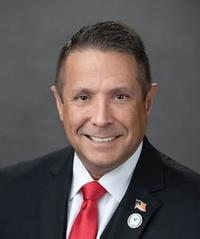
Anthony Hernandez
VA Benefits, Fraud Prevention, Financial Readiness
In its separate letter to the House Veterans Affairs Subcommittee on Disability Assistance and Memorial Affairs, DCUC said programs involving VA pensions, fiduciary arrangements and life insurance directly shape veterans’ monthly income, savings, caregiving and transition planning, making financial literacy and counseling essential throughout military service and beyond. The group said credit unions are well positioned to help because of their longstanding ties to military households and experience serving members through deployment, relocation and retirement.
DCUC also warned that veterans and beneficiaries face growing exposure to financial exploitation, especially older Americans and those moving through benefits transitions. The trade group pointed to the Veterans Benefits Banking Program as an example of how safe accounts, financial education and fraud prevention can be combined, and recommended stronger VA-credit union partnerships, modernized financial literacy tools, expanded safe-banking access for veterans receiving benefits, enhanced fraud prevention and recovery efforts, and greater credit union involvement in transition-related financial readiness programs.
“DCUC has repeatedly emphasized that financial literacy is a lifelong necessity and that defense credit unions are uniquely positioned to provide financial counseling and services to transitioning military members and veteran households because they understand the realities of deployment, relocation, retirement, and post-service reintegration,” wrote Jason Stverak, DCUC chief advocacy officer.
“Veterans’ financial security does not depend only on benefits eligibility, but on whether those benefits can be clearly understood, safely accessed, and effectively managed throughout life transitions,” said Anthony Hernandez, DCUC president/CEO, retired U.S. Air Force colonel. “Strengthening collaboration between the VA and credit unions will ensure veterans and their families receive practical tools, trusted guidance, and stronger protections against financial harm.”