

WASHINGTON— In a trio of letters tied to hearings and policy reviews this week, the Defense Credit Union Council is pressing Congress and regulators to take a more tailored approach to monetary policy, cyber fraud and consumer-financial oversight, arguing that credit unions—especially those serving military families—need both stronger protections and relief from rules DCUC says can undercut access to affordable financial services.
The trade group sent the letters ahead of an April 21 hearing on Kevin Warsh’s nomination to chair the Federal Reserve, a House hearing on online scams and crypto fraud, and the CFPB’s review of its proposed 2026-2030 strategic plan.

Jason Stverak
In a letter to House Banking Committee leaders, DCUC stated it is "essential that monetary policy strikes the right balance between controlling inflation and preserving access to affordable credit.
“Credit unions rely on a fair regulatory environment to continue serving their members and communities, and policies on interchange, liquidity, and payments must reflect the realities facing these mission-driven institutions," ” wrote Jason Stverak, DCUC chief advocacy officer.
In the letter, DCUC noted how Federal Reserve policy directly affects credit availability, liquidity, and payments systems, and outlined several priorities for the Committee’s consideration:
Balanced monetary policy: Efforts to combat inflation must also preserve access to responsible, affordable credit, particularly for junior enlisted personnel and underserved communities.
Regulation II concerns: DCUC cautioned that proposals based on outdated data could distort the debit interchange market and shift costs to consumers. Interchange revenue is vital for fraud prevention, cybersecurity, and affordable services for military families.
Payments modernization: The FedNow Service offers critical real-time payment capabilities. DCUC stressed the need to ensure it remains accessible, affordable, and secure for institutions of all sizes.
Liquidity and regulatory equity: Policymakers should ensure fair access to liquidity tools and avoid frameworks that disadvantage smaller institutions. Coordination with the National Credit Union Administration (NCUA) is essential to prevent duplicative regulatory burdens.
To support the Committee’s review, DCUC included a set of questions for the record addressing monetary policy, interchange regulation, payments access, liquidity, and regulatory coordination.
Addressing Cyber Fraud
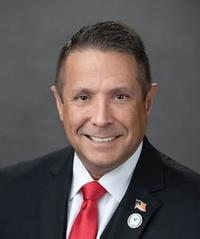
Anthony Hernandez
In a letter to leaders of the House Committee on Homeland Security, including the Subcommittees on Border Security and Enforcement and Cybersecurity and Infrastructure Protection, DCUC emphasized that servicemembers and military families are frequent targets of sophisticated fraud schemes. DCUC stressed that cyber-enabled fraud, including cryptocurrency scams, impersonation, and digital extortion, poses both a consumer protection and homeland security threat, with direct impacts on financial readiness and mission focus.
DCUC outlined five priorities for Congress:
- Strengthen “stop-the-loss” authorities to allow institutions to pause suspicious transactions and improve recovery efforts
- Expand public-private information sharing across financial, law enforcement, telecom, and cyber sectors
- Maintain strong AML/CFT and anti-fraud enforcement targeting criminal networks while supporting responsible innovation
- Reinforce communications safeguards to combat spoofing, robocalls, and impersonation scams at the source
- Invest in targeted fraud education and cyber-readiness for servicemembers, veterans, and seniors
DCUC also reiterated its willingness to serve as a resource to Congress, offering industry insight, data, and technical assistance to support effective policymaking.
“This hearing is both timely and necessary,” said Anthony Hernandez, DCUC president/CEO, Retired U.S. Air Force Colonel. “Defense credit unions are on the front lines of protecting military families from increasingly complex fraud threats. Strengthening coordination, enforcement, and prevention tools will be critical to staying ahead of these evolving risks.”
CFPB's Strategic Plan
In a letter to CFPB Acting Director Russell Vought regarding the Consumer Financial Protection Bureau’s proposed FY 2026–2030 Strategic Plan, DCUC expressed support for the Bureau’s vision of fostering innovative, resilient consumer financial markets, noting that credit unions are inherently aligned with consumer protection through lower costs, better rates, and a focus on financial literacy.
DCUC’s comments focused on three key goals:
Addressing threats to consumers: DCUC urged the CFPB to prioritize fraud prevention and financial exploitation, particularly for servicemembers and veterans, and to expand partnerships with credit unions to strengthen financial literacy programs. DCUC also supported removing “reputational risk” concepts from supervisory frameworks and encouraged practical compliance tools for institutions.
Reducing regulatory burden: DCUC called for a comprehensive review of regulations to better tailor requirements to credit unions, emphasizing that duplicative rules can limit services to underserved and military communities without improving consumer protection.
Strengthening governance: DCUC recommended modernizing the CFPB’s digital infrastructure, improving coordination with other regulators, and hiring personnel with credit union experience to enhance policymaking and supervision.
DCUC reiterated that the Bureau should focus enforcement on higher-risk large banks and non-bank institutions, while avoiding unnecessary duplication for credit unions already subject to prudential oversight.
“Credit unions are uniquely positioned to advance consumer protection through their not-for-profit, member-focused structure. By prioritizing financial literacy, targeted enforcement, and regulatory efficiency, the CFPB can strengthen consumer outcomes while preserving access to safe, affordable financial services,” said Jason Stverak, DCUC chief advocacy officer.