

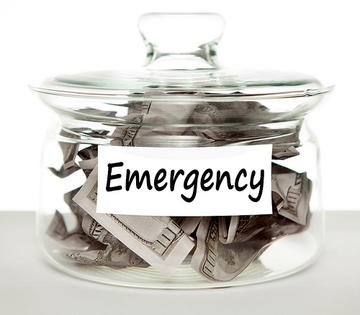
NEW YORK—The percentage of Americans with more emergency savings than credit card debt dropped in the past year, according to a new study by Bankrate.com.
"Currently, just 52% of Americans have more emergency savings than credit card debt, down from 58% in 2015," said Bankrate chief financial analyst Greg McBride. "The reading now is the same as in 2011 when the question was first asked, reflecting zero progress over that time."
The percentage of Americans with no credit card debt—but no savings either—jumped from 13% last year to 21% in 2016.
The survey also asked Americans about credit card debt and found that only 22% have more credit card debt than emergency savings.
“That's down from 24% last year and is the lowest in the six years the question has been asked,” said McBride.
While the study shows there is little difference between men and women when it comes to savings and credit card debt, there is a notable variance when looking at age group and income levels.
Not surprising, Millennials were more likely than the generations before them to set aside money in an emergency account, which McBride said is a "testament to both the savings discipline and aversion to credit cards characteristics of Millennials. Millennials grew up during a period of plunging stocks, record unemployment and foreclosures, which taught them to prepare for the worst and be wary of debt.”
The only group that is doing better with debt are those 65 and older, who were least likely to have more in credit card debt than emergency savings.
Millennials are doing a good job of saving more, but that can't be said of some of the other generations before them, the study noted. The survey found that those between the ages of 30 and 49 were the most likely to carry more credit card debt than emergency savings. People age 50 to 64 were a close second.
"Americans age 30 to 49 are the epitome of tight household budgets. Those are the years of mortgage payments, car payments, kids, braces, the whole enchilada," McBride said. "Those age 50 to 64 are most prone to long-term unemployment that can deplete years' worth of savings and result in accumulating debt."
The survey also revealed that those with household incomes of $75,000 or more are twice as likely as households with income of less than $30,000 to have emergency savings that is larger than their credit card debt. But even though low wage earners aren't saving any money, they also aren't taking on debt.
The lowest income households were four times more likely than the highest income households to have no credit card debt or savings.
"Even though comfort level with savings has consistently deteriorated on a year-over-year basis, the reading was slightly better than January," McBride said.