

HARRISBURG, Pa.—In today’s dynamic environment, managing risk is no longer just about protection. It is about enabling smarter growth, faster innovation, and long-term resilience, one credit union asserts.
Across industries — and particularly within credit unions and financial services — the expectations for risk leadership are evolving. Chief risk officers (CROs) and other senior risk executives must move beyond traditional risk mitigation and step fully into strategic partnership roles, explained Francis Pudner, chief risk officer and general counsel at $9-billion PSECU.
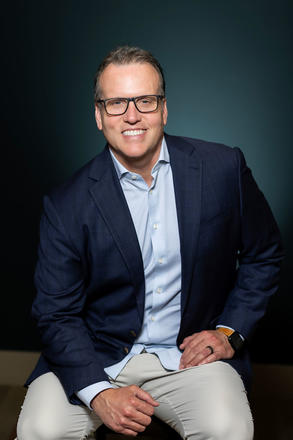
Francis Pudner
He said the future of risk leadership lies not in slowing organizations down, but in enabling them to move faster, smarter, and more confidently.
Risk Leaders Must Think Beyond Mitigation
Historically, risk leadership focused on identifying threats, enforcing controls, and minimizing exposure. That work remains critical. However, in a world shaped by increasing complexity, velocity, and disruption, it is no longer sufficient, Pudner said.
“Today’s most effective risk executives do more than protect against downside. They help guide organizations through uncertainty toward opportunity. They embed risk intelligence into business strategy, operational planning, and innovation initiatives, enabling leadership teams to act decisively and sustainably,” he said.
“During the nine months I served in 2024 as interim chief marketing and experience officer, leading marketing, digital, and member experience initiatives at PSECU, I developed an even deeper appreciation for the critical role strategic risk leadership plays in driving growth, agility, and innovation. Risk can’t operate in a silo—it must be embedded into business decision-making to help organizations reach their full potential and win,” Pudner continued.
Pudner insisted that modern risk leadership must be agile — able to anticipate change, adapt quickly, and balance disciplined oversight with strategic enablement.
“Risk leaders who remain on the sidelines risk losing the opportunity to influence outcomes when it matters most,” he said.
Framing Risk As Opportunity
Modern risk executives must shift the way they “frame” their impact, Pudner said.
“Risk should not be viewed solely as a constraint. When understood and navigated effectively, risk becomes a driver of innovation, growth, and competitive advantage,” he said.
By positioning risk as a strategic enabler, risk executives help their organizations move smarter and faster, building the resilience necessary to thrive in an unpredictable environment, Pudner asserted.
“This perspective is particularly important for credit unions. As member expectations continue to evolve and competition intensifies, institutions that view risk leadership as an accelerator — rather than an inhibitor — will be best positioned for sustainable success,” Pudner said. “Risk is not the roadblock. When approached thoughtfully and strategically, risk is the roadmap.”
Aligning Risk Leadership With Business Strategy
Strategic risk leaders do not operate in isolation. They work alongside business units, marketing teams, technology leaders, and executive leadership to ensure that risk insights inform decision-making at every level, Pudner explained.
“Every major initiative — expanding into new markets, launching new products, investing in member experience — carries risk. Success depends not on avoiding that risk, but on navigating it intelligently and acting decisively,” he said. “Credit unions experience this reality every day. Every loan extended, every technology investment, every strategic expansion involves both opportunity and risk.”
Organizations that thrive are those that embrace smart risk-taking, cultivate resilience, and build a culture of strategic agility across the enterprise, said Pudner.
“Every great opportunity carries risk — and the best leaders know how to navigate risk and take advantage of opportunity,” he said.
The Mindset Of Modern Risk Leadership
According to Pudner, Risk executives who want to lead effectively must embrace a broader, more integrated mandate:
- Strategic Enablement: Risk leadership must be embedded within the design and execution of growth strategies, not operating as a parallel or reactive function.
- Opportunity Framing: Risk must be positioned as a source of advantage that fuels smarter, faster decision-making.
- Organizational Agility: Institutions must be supported in adapting quickly to emerging risks and opportunities without sacrificing discipline or strategic focus.
- Resilience Building: Risk leadership must help cultivate organizational cultures and systems that thrive in periods of change, not merely survive them.
- Forward-Looking Leadership: Emerging risks and strategic inflection points must be anticipated early to position the organization for long-term success.
“Risk executives are no longer simply stewards of compliance and protection. They are architects of strategic agility, resilience, and sustainable growth,” concluded Pudner. “Risk leaders who embrace this evolution won’t just safeguard their organizations — they’ll drive them to win and thrive in the future.”