

PORTSMOUTH, N.H.—Federal Reserve Gov. Michelle Bowman is advocating for “gradual” moves for future rate adjustments.
Bowman offered that perspective this week during her address to the New England CEO Summit here.
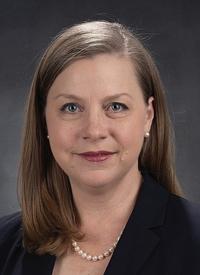
Michelle Bowman
Following the surprise departure of Federal Reserve vice chair for supervision Michael Barr, Bowman has emerged as President Trump’s likely choice to step in for the former vice chair.
“As we enter a new phase in the process of moving the federal funds rate toward a more neutral policy stance, I would prefer that future adjustments to the policy rate be gradual,” Bowman told summit attendees. “We should take time to carefully assess the progress in achieving our inflation and employment goals and consider changes to the policy rate based on how the data evolves.”
Given the current stance of policy, Bowman said she continues to be concerned that easier financial conditions over the past year may have contributed to the lack of further progress on slowing inflation.
“In light of the ongoing strength in the economy and with equity prices substantially higher than a year ago, it seems unlikely that the overall level of interest rates and borrowing costs are exerting meaningful restraint,” she said.
Watching Longer-Term Treasury Yields
Bowman said she is closely watching the increase in longer-term Treasury yields since the Fed started the recalibration of its policy stance at the September meeting.
“Some have interpreted it as a reflection of investors' concerns about the possibility of tighter-than-expected policy that may be required to address inflationary pressures,” Bowman explained. “In light of these considerations, I continue to prefer a cautious and gradual approach to adjusting policy.”
Bowman stressed there is still more work to be done to bring inflation closer to the Fed’s 2% goal.
“I would like to see progress in lowering inflation resume before we make further adjustments to the target range,” she said. “We need to keep inflation in focus while the labor market appears to be in balance and the unemployment rate continues to be at historically low levels. By the time of our March meeting, we will have received two inflation and two employment reports. I look forward to reviewing the first quarter inflation data, which, as I noted earlier, will be key to understanding the path of inflation going forward. I do expect that inflation will begin to decline again and that by year-end it will be lower than where it now stands.”
As CUToday.info reported, this week the Fed chose to The Fed hold rates steady at a range of 4.25% to 4.5%, citing concerns over inflation and uncertainty regarding President Trump’s economic policies.