

WASHINGTON— Federal Reserve Gov. Michael Barr said Thursday the Fed is right to keep interest rates steady as it weighs a still-stubborn inflation picture, geopolitical risks and a labor market he described as unusually fragile—while also warning that recent regulatory changes are making the banking system less resilient.
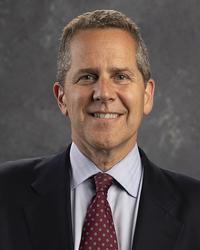
Michael Barr
Barr delivered the remarks at the Brookings Institution here.
Barr said he supported the Federal Open Market Committee’s decision last week to leave monetary policy unchanged, citing an economy that remains “resilient” but faces multiple shocks complicating the Fed’s effort to return inflation to its 2% target while preserving maximum employment. He pointed to strong consumer spending, productivity gains and especially heavy business investment in artificial intelligence and data centers as supports for growth—an area financial institutions will be watching closely as AI-driven investment continues reshaping commercial credit demand and operational strategies.
But Barr said the current conflict in the Middle East has pushed up oil and other commodity prices, creating the risk of another inflation shock that could spill into broader prices and economic activity. He warned that with inflation already elevated for five years and near-term inflation expectations rising again, another sustained price surge could make inflation more persistent—one reason, he said, the Fed opted to hold policy steady.
Barr also said tariffs have materially contributed to higher goods prices and a stalled disinflation process over the past year. While he said the recent Supreme Court ruling has reduced the effective tariff rate to about 10%, he cautioned that the level remains high and could rise again, with the base case that tariff-related inflation pressures ease later this year but with meaningful risk they linger longer. That outlook could affect pricing, consumer credit performance and business borrowing if higher import costs continue to filter through the economy.
On employment, Barr said labor-force growth is now close to zero due largely to reduced net immigration and lower participation, while job creation has also hovered near zero for the past year—an unusual pattern outside a recession. He called the current environment “low hire, low fire,” noting unemployment has remained relatively stable only because weak hiring has been offset by weak labor-force growth, but warning the labor market remains vulnerable to shocks. He added that core inflation likely remained around 3% in February, roughly unchanged from a year earlier, underscoring why the Fed is not yet ready to ease.
In remarks with direct implications for financial institutions, Barr sharply criticized a series of recent Federal Reserve actions he said weaken bank safety and soundness, saying he has dissented from measures that reduce resiliency. He specifically cited changes to stress testing, deviations from Basel III standards, lower surcharges for global systemically important banks and cuts to the enhanced supplementary leverage ratio, while warning that liquidity rules could be next. Barr also said supervisory staff at the Fed are being reduced by more than 30%, arguing the cumulative effect is to erode trust in the banking system and raise financial stability risks.