

WASHINGTON— Credit unions won a reprieve in their fight against the Credit Card Competition Act (CCCA) after Sen. Roger Marshall (R-KS) agreed not to offer his proposed swipe-fee amendment during the Senate Agriculture Committee’s digital assets markup scheduled for Thursday.
But industry advocates caution the measure remains a live threat, as other senators—including Dick Durbin (D-IL) and Peter Welch (D-VT)—could still introduce the amendment during the hearing.
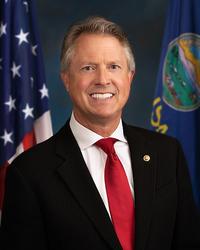
Roger Marshall
According to POLITICO, Marshall privately agreed over the weekend not to call up the provision, which seeks to force payment networks to compete on credit card routing and interchange. The amendment mirrors the long-running CCCA proposal and has been backed by Durbin and Welch. While Marshall stepping aside reduces immediate risk, the possibility of another sponsor keeps uncertainty high ahead of the committee’s vote on broader cryptocurrency market structure legislation.
Defense Credit Union Council Chief Advocacy Officer Jason Stverak said Monday that credit unions are continuing to oppose any attempt to attach the CCCA to the digital assets package, warning the proposal represents a sweeping overhaul of the U.S. payments system that has never received proper vetting by the Senate Banking Committee, the panel of jurisdiction. DCUC has urged credit union leaders to contact Agriculture Committee members and highlight potential impacts on military families, veterans, and local communities.
America’s Credit Unions President and CEO Scott Simpson welcomed news that Marshall may stand down but emphasized the broader fight is far from over.
“America’s Credit Unions, leagues, and credit unions worked hard to keep Senator Marshall’s credit card swipe fee amendment off of the Senate Agriculture Committee’s crypto bill,” Simpson said. “But, as we have said, attempting to attach these credit card mandates to a cryptocurrency bill does not change the underlying facts. The Credit Card Competition Act is bad policy that would disrupt a secure and well-functioning credit card system in ways that hurt consumers and small financial institutions while delivering a windfall to the largest retailers in the country. Forcing routing mandates into the payments system increases fraud risk, weakens consumer protections, and ultimately limits access to affordable credit for millions of credit union members. Lawmakers should continue to reject efforts to revive this flawed policy.”
Simpson also pointed to lessons from past interchange policy changes.
"Despite their mission-driven, not-for-profit structure, credit unions still felt the consequences of the 2010 Durbin Amendment on debit interchange, as price controls distorted the entire financial ecosystem,” he said. “Costs and lost revenues were shifted onto credit unions, weakening the very institutions that exist to serve working families and local communities. Highlighting the negative consequences of the Credit Card Competition Act were the focal point of America’s Credit Unions and our league partners’ strategic engagement with Senate Agriculture Committee Chairman John Boozman and fellow committee members. More than 3,700 direct messages in less than two weeks have been sent to members of Congress on the consequences of the Credit Card Competition Act since it was reintroduced earlier this month.”
With the Agriculture Committee’s markup approaching, Stverak emphasized the battle is not over—just possibly delayed.
“While Marshall is now expected not to offer the amendment himself, there remains a real possibility that Durbin, Welch, or another member could introduce it instead,” Stverak stated early Monday morning.