

NEW YORK—Mobile phones have effectively become the world’s new “anywhere storefront,” with nearly half of all global shoppers now using a smartphone during their most recent retail purchase, according to a new report from PYMNTS Intelligence and Visa Acceptance Solutions.
The study found consumers are increasingly blending digital and physical shopping behaviors, pushing merchants to rethink payment technology, mobile checkout and unified commerce experiences.
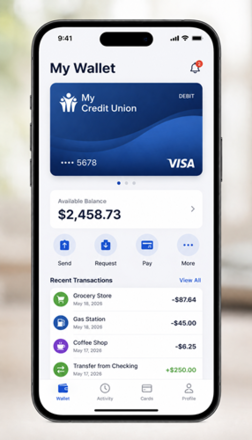
The report, “2025 Global Digital Shopping Index,” found 48% of consumers used a mobile phone in their latest retail transaction, including 24.3% who used their devices while shopping in-store and 23.7% who completed purchases entirely online via mobile. The trend is especially pronounced among younger shoppers and parents, with nearly 60% of Millennials and shoppers with children using phones as part of their latest purchase. Researchers said consumers increasingly expect seamless movement between mobile, online and in-store shopping experiences.
The study also pointed to the growing influence of what it called the “mobile window shopper.” Sixty percent of consumers browse merchant sites on their phones multiple times per week, while nearly one-third do so daily or almost daily. Those shoppers purchase products nearly half the time they browse, often focusing on higher-margin discretionary categories such as electronics, clothing and hobbies. Researchers said the findings suggest retailers increasingly need to prioritize frictionless mobile checkout experiences, stored payment credentials and biometric authentication to reduce abandoned carts and increase conversion rates.
According to the report, preferred payment methods, rewards, coupons, detailed product information and easy-to-navigate online stores ranked as the five most important digital features influencing where consumers shop. At the same time, many merchants acknowledged they are struggling to keep pace with rapidly changing consumer expectations. Nearly 60% of merchants surveyed said they are concerned their current payment technology may not support future mobile-first shopping demands, citing channel complexity, data security risks and customer service challenges as major obstacles.
The report, based on surveys of more than 18,000 consumers and 3,400 merchants across eight countries, found the most digitally engaged shoppers were in Saudi Arabia, the United Arab Emirates and Brazil, while the United States and United Kingdom showed slower adoption of digitally assisted shopping behaviors. Researchers said the findings demonstrate how mobile-driven commerce is reshaping global retail expectations and accelerating pressure on merchants to modernize payments and unified commerce strategies.
The study further found that 45% of online shoppers used credentials stored directly with merchants during their most recent purchase, while biometric authentication was increasingly common among mobile shoppers. Researchers said trust and convenience are now central to consumer payment preferences, with shoppers more likely to store credentials when merchants can demonstrate strong security and seamless checkout experiences.
The report concluded that merchants failing to deliver integrated mobile-first shopping experiences risk losing consumers to competitors offering faster payments, unified digital experiences and lower checkout friction. Researchers noted that while physical stores remain important—73% of purchases still involved stores in some capacity—consumers increasingly expect digital features to follow them across every shopping channel.