

PHILADELPHIA— Federal Reserve Chair Jerome Powell said the central bank is approaching the point where it may slow or halt the runoff of its $6.5-trillion balance sheet, noting that liquidity conditions are tightening slightly but remain well controlled under the Fed’s “ample reserves” framework.
Since mid-2022, the Fed has trimmed its holdings by about $2.2 trillion, reducing the balance sheet from 35% of GDP to just under 22%. Speaking Tuesday at the 67th Annual Meeting of the National Association for Business Economics, Powell said the runoff will likely stop once reserves are comfortably above the level needed to keep short-term rates stable. Recent firming in repo markets, he added, suggests liquidity is tightening but not yet stressed.
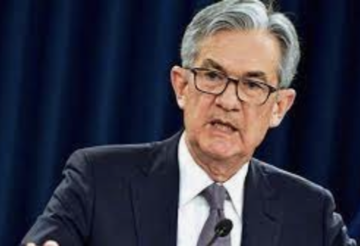
Jerome Powell
For financial institutions, Powell’s comments reinforce that the Fed will maintain a structurally larger balance sheet than before the pandemic. Demand for reserves has risen alongside banking-sector growth, while non-reserve liabilities—such as Treasury and currency balances—remain roughly $1.1 trillion higher than pre-2020 levels. Over time, the central bank intends to shift its portfolio toward shorter-term Treasury securities and away from mortgage-backed holdings in a gradual, predictable manner to avoid market disruption, Powell said.
Powell also addressed concerns about the cost of paying interest on reserves, noting that the Fed’s interest income from its Treasury holdings generally offsets those payments and that the central bank has remitted more than $900 billion to the Treasury since 2008. Temporary negative net income, he said, does not affect the Fed’s policy capacity or balance-sheet integrity.
On the economy, Powell said incoming data—limited by the ongoing government shutdown—suggest growth may be slightly stronger than expected, even as hiring slows. Payroll gains have moderated, reflecting weaker labor-force participation and immigration trends. Core PCE inflation rose to 2.9% in August, with price pressures concentrated in goods affected by tariffs rather than broad inflationary momentum.
He indicated that the Federal Open Market Committee remains cautious as downside employment risks rise and inflation continues to edge above target. The Fed, he said, will continue adjusting policy “meeting by meeting,” balancing the dual mandate of price stability and maximum employment as the economy enters a potentially softer phase of expansion.