

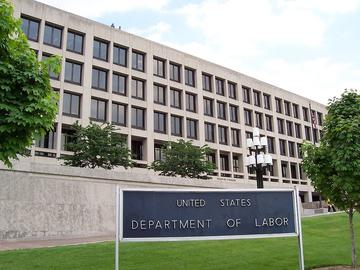
WASHINGTON—Reps. Phil Roe (R-TN), Charles Boustany (R-LA) and Ann Wagner (R-MO) introduced a resolution Tuesday that would block the U.S. Department of Labor’s fiduciary rule, which was finalized earlier this month.
The rule expands the definition of a “fiduciary” as a person who receives compensation for providing advice based on the particular needs of the person being advised or if he or she directs that person to a specific plan sponsor, plan participant, or individual retirement account owner.
CUNA stated that it previously expressed support for the goal of the rule to protect investors and encourage all advisers to act in the investor’s best interest. However, CUNA raised concerns in letters to the Department of Labor and to Congress about the overly broad definition of what is considered investment advice, and took issue with the proposed “education carve out” for the rule which it did not believe went far enough.
The final rule included some clarifications, as requested by CUNA, about what is considered education and advice.
In the letter to the DOL, CUNA wrote, “Another potential compliance consideration for credit unions is that the definition of 'education' and the 'education carve-out' are overly broad in the rule, and as written, do not provide credit unions full assurances that they are not included.”
The final rule specifically addressed this stating, “In particular, [commenters] worried that the provisions could be read to create an implication that any communication that did not technically meet the conditions of a specific carve-out would automatically meet the definition of investment advice. This was not the department’s intention, however, and the department no longer uses the term 'carve-out' in the final regulation.”
“These clarifications will help credit unions to continue to have important conversations with their members about financial education, and allow them to provide general information about saving and planning for the future without fear of triggering the rule,” CUNA said.
The final rule also contains clarifications on the Best Interest Contract Exception, which is only applicable to financial institutions that acknowledge fiduciary status, which would at the very least include CUSOs, CUNA explained. The changes clarify that members would not immediately have to sign a contract upon entering into a conversation concerning investment options, which was previously not clear in the proposed rule.
The rule does, however, note that recommendations about IRA rollovers, transfers, or distributions would be considered investment advice and trigger fiduciary status.
CUNA said that the resolution introduced Tuesday would attempt to use the Congressional Review Act to prevent the DoL from implementing the rule or issuing a substantially similar rule without congressional authorization.
CUNA said that it remains aware that parts of this rule will add compliance burdens to CUSOs, and potentially credit unions offering certain product and services, and accordingly is monitoring this resolution.