

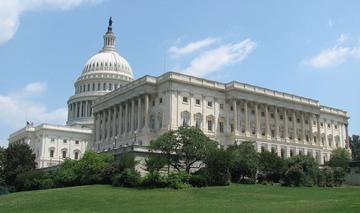
WASHINGTON–By a vote of 83-16, the Senate yesterday passed the transportation authorization bill--better known as the Highway Bill--which includes a number of credit union-backed provisions.
The house passed its version of the legislation, H.R. 22, earlier Thursday.
Among those provisions:
- HR 601, the “Eliminate Privacy Notice Confusion Act,” which would clarify that consumers will receive privacy notices after opening a new account and when their providers’ privacy policies change.
- HR 1259, the “Helping Expand Lending Practices in Rural Communities Act,” which would provide assistance in dealing with the CFPB’s definition “rural area,” particularly as it relates to the ability-to-repay mortgage rule.
- Language giving authority for privately insured credit unions to become a member of a Federal Home Loan Bank and also requiring a Government Accountability Office report that looks at private insurance.
- Language authorizing FDIC to do 18-month exam cycles for well-run community banks.
- Language removing a provision calling for the use of Fannie Mae and Freddie Mac credit-risk guarantee fees, or g-fees, for highway funding.
“We thank the members of the House and Senate for taking these steps to provide regulatory relief in the final legislation and look forward to the president signing this bill and making these regulatory relief measures a reality for credit unions,” said NAFCU CEO Dan Berger.
CUNA President and CEO Jim Nussle called the bill a "huge victory for credit unions and the over 100 million credit union members CUNA represents. The bill includes several key CUNA-backed provisions that will help remove barriers for credit unions to better serve their members. CUNA has long supported modernizing privacy notification requirements, allowing privately insured credit unions to become members of the Federal Home Loan Bank system and directing the CFPB to establish a process for determining whether an area should be designated as rural which could impact the products credit unions offer."