

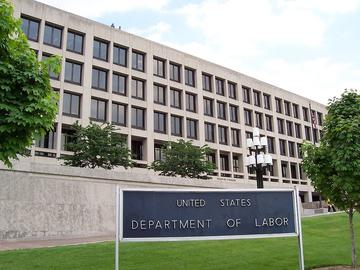
WASHINGTON –The credit union trade groups are now working their way through the Department of Labor’s final fiduciary rule, which was released yesterday.
That rule will affect how financial advisers may advise clients on retirement savings and hold advisors to a “fiduciary standard.” As NAFCU noted, the “fiduciary standard” already applies to financial professionals registered as investment advisers with the Securities and Exchange Commission or under state rules. The release yesterday included changes from the DoL’s proposed rule, issued in April 2015. The DoL final rule will expand the standard to cover brokers, insurance agents and other financial professionals.
NAFCU also noted the Obama administration says the rule will crack down on conflicts of interest in retirement advice, which it says lead to $17 billion in losses for Americans per year. The fiduciary standard will require that advisers put their clients’ interests before their own profits.
The best-interest contract portion of the rule will take effect in April 2017; the rest of the rule will go into effect Jan. 1, 2018.
“The rule would not apply to credit unions directly, but it would affect investment adviser services through vendors and credit union service organizations (CUSOs),” NAFCU said, adding it “supports consumer protections but has concerns about the indirect costs of the rule’s implementation to credit unions. The new rule is complex; NAFCU staff are analyzing the rule for its potential impact on credit unions.”
CUNA said it is also working its way through the language of the new rule.
“The Department of Labor’s final fiduciary rule is very complex and we’re evaluating its impact on credit union’s ability to best serve their members,” said CUNA CEO Jim Nussle in a statement. “CUNA has been active on this issue and raised a number of concerns since the rule was first proposed, and we will continue to work closely with regulators and lawmakers should we find in our analysis that there are issues in the final rule that negatively affect credit unions.”
Dale Brown, CEO of the Financial Services Institute (FSI), issued a statement saying, “Affordable, objective financial advice is a critical component to hard-working Americans’ ability to save for a dignified retirement. The Department of Labor’s two earlier proposals were complex and unworkable. As we have said since day one, there is no compelling evidence this rule is necessary to achieve a uniform fiduciary standard, and DOL’s own analysis fails to make the case. We will spend the coming days thoroughly analyzing this rule to determine if it protects Main Street investors by preserving their access to affordable, objective financial advice delivered by their chosen financial advisor.”