Brian Turner, Meridian Alliance
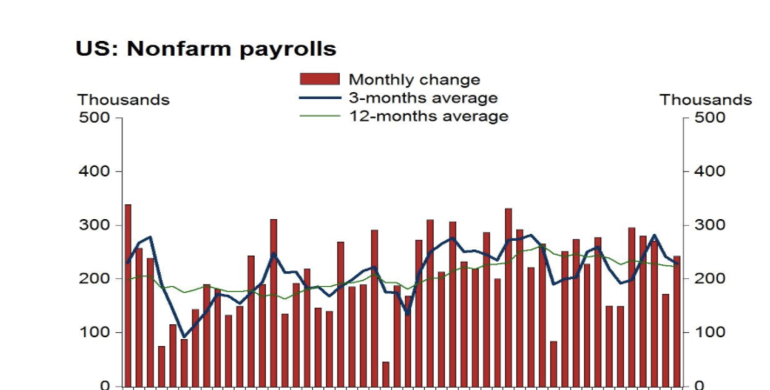
NEW YORK–The U.S. economy during February outperformed numerous forecasts, with analysts now saying they project job growth to continue through 2016.
And while wages actually declined, NAFCU said it believes the Fed will move on rates at its June meeting.
According to data released by the Labor Department, the U.S. added 242,000 jobs during February, while data for the prior two months was also revised up.
"We expect that, as the labor market continues to mature, monthly job gains will gradually slow, but remain sufficient to absorb lingering labor market slack,” said Greg Daco, head of U.S. macroeconomics at Oxford Economics. “Reduced slack should gradually push up wage growth and remain supportive of incoming spending."
However, while job growth was up, wage growth was down. “Disappointingly, hourly earnings (all employees) slipped 0.1% in February which, combined with a surprisingly strong 0.6% decline in hours, amounted to the sharpest decline in weekly earnings on record, down 0.7% (data starts in 2006),” said Oxford Economics. “As a result, hourly wage growth slipped to 2.2% -- its lowest since mid-2015 – and weekly wage growth plunged to 1.6% year over year. The private service-providing sector added a whopping 245,000 jobs, more than making up for its poor performance in January. The jobs gains were broad-based with healthcare employment up 57,000, restaurants and bars adding 40,000 jobs and the retail sector posting an impressive 55,000 jobs gain. Overall, this indicates that consumers remain cheerful and businesses serving consumer sectors are still optimistic about the outlook.”

Curt Long, NAFCU
The unemployment rate remained at 4.9% – its lowest since early 2008 – while the “under-employment” rate fell to 9.7% – its lowest since May 2008.The employment-population ratio rose to 59.8% – its highest since the Great Recession while the participation rate rose to 62.9% – a 13-month high, but still near the lowest in 40-years, Oxford Economics said.
"This report once again puts a check mark in the Fed’s employment mandate box, but it leaves the 2% inflation box unchecked with wage growth remaining sluggish," says Daco. "And, while inflation appears to be rebounding, we caution that part of the rebound is due to base effects. As such, we see the Fed adopting a cautious approach and waiting until September to raise rates again."
Brian Turner of Meridan Economics also pointed to the job gains and called the employment report “encouraging, if only for the fact it does not show a retrenchment within the sector. Job growth continues to the extent it is covering the number of new entrants to the economy, but there is a lack of new quality jobs being created. This further damages the prospects for solid wage growth in 2016 which may have an adverse impact on consumer spending behavior.”
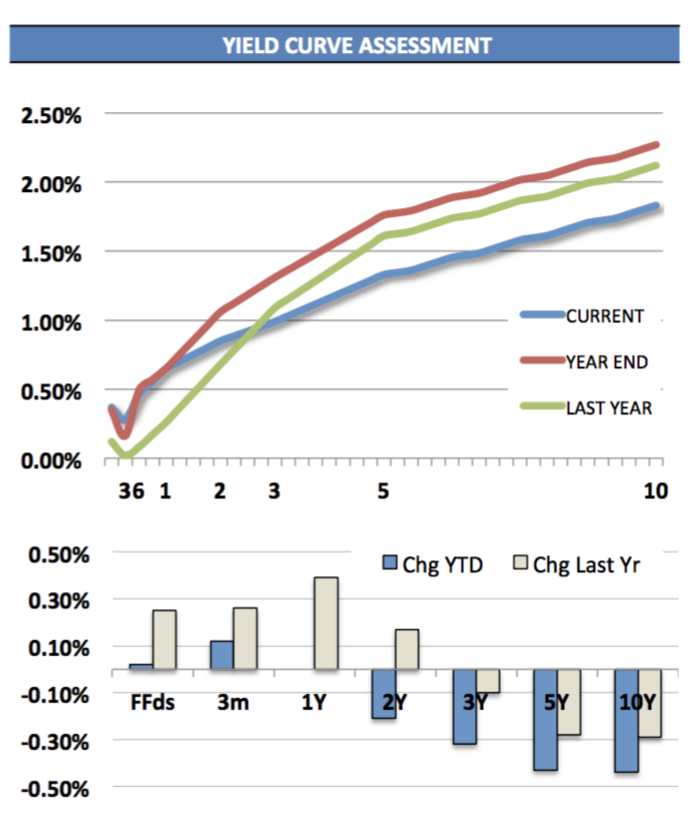
Turner said the data may encourage the Federal Reserve to ponder higher short-term interest rates but falling wages and hours should keep them at bay – at least through March.
NAFCU’s chief economist, Curt Long, said the February data is a “mixed report with positives in the overall jobs figure for February, upward revisions to prior months, and another strong month for labor force entrants. “The participation rate climbed again and is up one-half percentage point since September. But the wage figure was disappointing, particularly coming after a strong month in January. With that said, once inflation is considered, 2.2% wage growth is not terrible, and as the labor market continues to tighten we should see that figure climb. As for the Fed, this was a decent report but not one that would hold anybody’s feet to the fire to raise rates later this month. We expect the Fed to hold in March with an eye toward a rate hike in June.”