

By Ray Birch
BIRMINGHAM, Ala.—After criticism in a national publication was directed at a number of California CUs’ overdraft practices, Dennis Dollar asserts what is being left out of all that is that consumers want the programs—and that many the critics of overdraft programs do not face the same money problems of lower-income Americans.
“The opinion piece left out a few key facts,” contended the former NCUA chairman.
As CUToday.info reported here, California’s state regulator recently released its first annual report showing how much state-chartered institutions are making from overdraft fees and NSFs, including the percentage of overall revenue the programs represent.
The full California report can be found here.
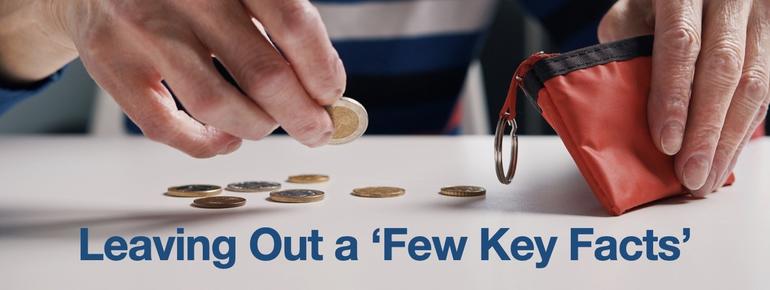
While there was considerable news coverage of the report, one piece in particular drew the ire of many in CUs after it stated, “There’s a new predator making money off overdraft fees: credit unions.”
The article, published by Politico under the headline, “Credit Unions Are Making Money Off People Living Paycheck to Paycheck,” was authored by Aaron Klein, the Miriam K Carliner chair and senior fellow in economic studies at the Brookings Institution. Klein served as deputy assistant secretary of the Treasury from 2009 to2012 and as chief economist of the Senate Banking, Housing and Urban Affairs Committee from 2004 to 2009.
What Was Left Out
“The key fact left out of this opinion piece is that every consumer paying an overdraft fee opted into the program in writing with full written disclosures of how the program works to cover their debit transactions and checks until they can cover those transactions themselves,” said Dollar, principal partner at Dollar Associates. “Also left out of the opinion piece is that every overdraft fee charged is a voluntary fee that could simply be avoided by not swiping a debit card or writing a check if there is not enough money in the account to cover the transaction.”
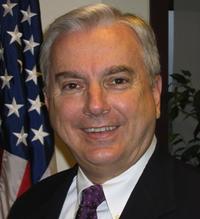
Dennis Dollar
Dollar also asserted the article overlooks the reality that if the banks and credit unions offering voluntary overdraft coverage for those who opt into the program were to discontinue the service, “the consumers who run out of money before they run out of month will have to find some other, higher-cost and more imprisoning financial option, such as a payday lender, check casher or pawn shop.”
A Lifeline
Dollar emphasized overdraft programs are often lifeline, small-dollar loans for consumers.
“When a consumer can’t pay for the groceries or the baby’s formula on Friday night when payday isn’t until Tuesday, he or she doesn’t have the option of not feeding the family or the baby,” he said. “They will find another non-traditional lender that’s open 24-7 to hold their check or give them a loan at an above-market rate if that is necessary.”
A well-disclosed overdraft program with a written opt-in is an option many consumers appreciate, according to Dollar, the former chairman of NCUA.
A ‘Disjointed’ Argument
“Critics make a disjointed argument that consumers don’t want to pay overdraft fees, and that banks and credit unions are making billions of dollars from those same consumers when they voluntarily use the programs,” Dollar said.
A key point, emphasized Dollar, is if consumers failed to see value in overdraft programs, banks and credit unions would not make much revenue from the service.
Dollar stressed overdraft program critics often never face the money troubles that lower-income Americans deal with on a weekly or even daily basis, which he claims prevents them from having a proper perspective on the offerings.
Points of Emphasis
Dollar emphasized the following:
- Overdraft programs are being used voluntarily by consumers that opted in in writing
- Fees are being paid by those consumers for the privilege to overdraft their accounts
- Consumers are not closing their accounts with overdraft fees or dropping their opt-in
- Alternative options are much more punitive from a cost perspective
Time to ‘Check Again’
“These things make overdraft programs something the critics may want to check again with their consumer base to see if they may not be well representing their interests by opposing them so fiercely,” Dollar said.
Dollar agreed abuse of overdraft programs, such as ordering transactions to maximize revenue, should be curtailed.
“Should overdraft fees be tiered based upon the size of the transaction overdrafts? Certainly, that is worthy of study,” Dollar concluded. “Could the opt-in disclosures be made more reader friendly and easier to understand on issues such as available balance and actual balance? Very likely. But these are questions about improving overdraft programs, not eliminating them.”
CUToday.info reached out to the California League but it has declined to comment to date.