

By Ray Birch
ALLEN, Texas—After reviewing data that revealed the majority of adults believe high school did not prepare them well to manage their finances, one credit union has built three “SMART Branches” it said are meant to address that issue.
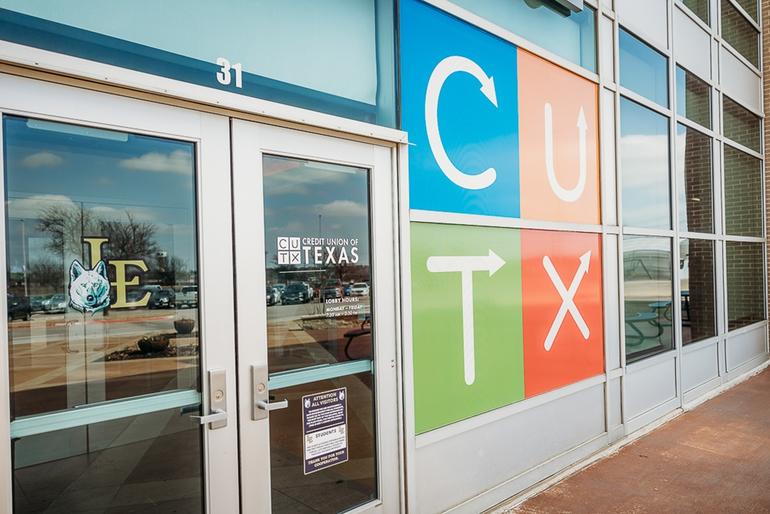
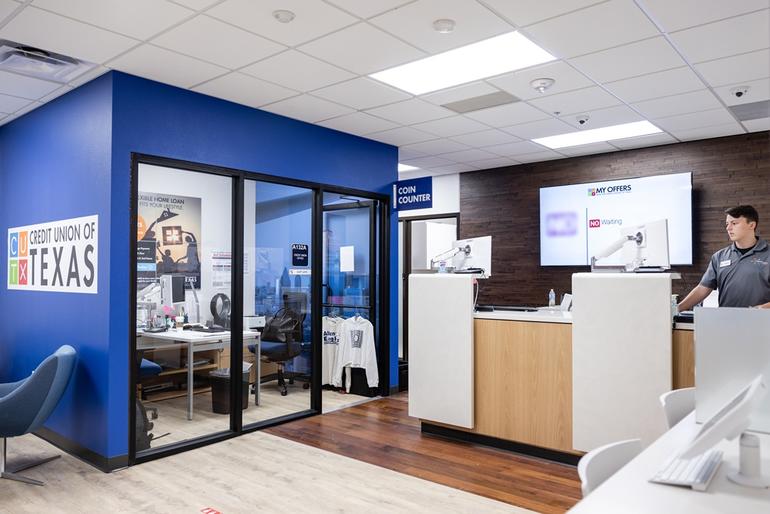
As CUToday.info reported, $2.5-billion Credit Union of Texas (CUTX) has partnered with three local high schools to build SMART Branches inside the locations. The CU offices, a bit smaller than a typical CUTX standalone (see photos), are staffed by junior and senior student employees along with one full-time CUTX employee. The offices are available to all high school students, faculty and staff during school hours.
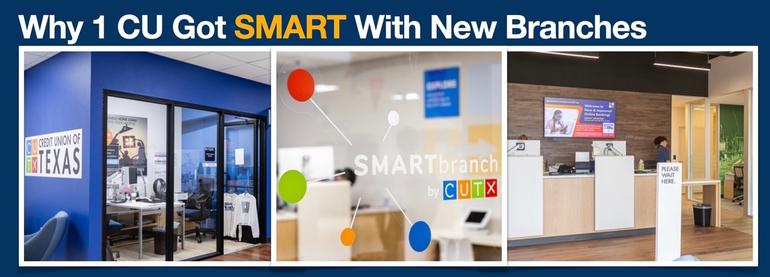
“We read recently that nearly 90% of adults say high school did not leave them fully prepared for how to handle money in the real world,” said CUTX President and CEO Eric Pointer. “We wanted to do something about that by providing students with the financial resources and education that will prepare them for life. Establishing long-term Credit Union of Texas members and helping our student employees gain valuable job skills are also both great benefits of the SMART Branch.
The Real ‘Success’
“Ultimately though, our real success with a SMART Branch comes through empowering a generation of students by providing a strong foundation of financial literacy for them to build on,” Pointer added.
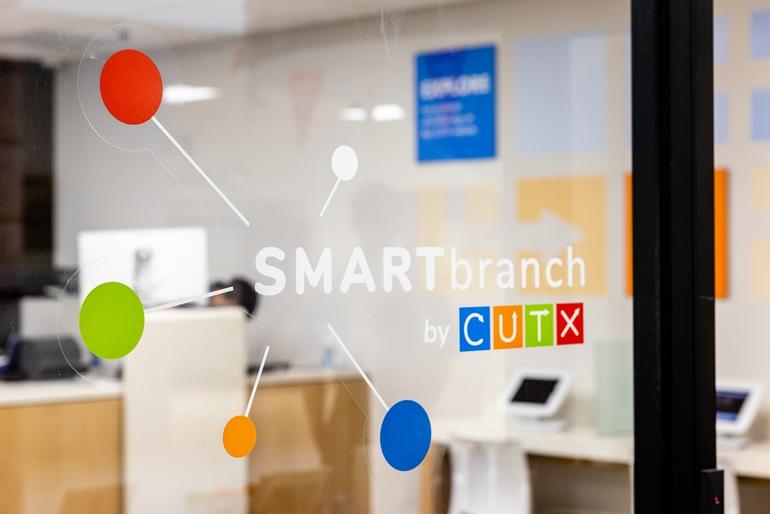
The SMART Branches—SMART stands for servant leadership, motivation, active learning, reasoning and technology—are all full-service. They’re located in Allen High School, Little Elm High School and Berkner High School, all in Texas.
“We're expanding to a fourth location in East Texas and exploring opportunities in higher education,” said Pointer.
Pointer said what really sets the SMART Branches apart from other high school CU offices are their financial literacy component. In partnership with the National Endowment for Financial Education, CUTX developed a modified version of its High School Financial Planning Program.
Acting as ‘Coaches’
“SMART Branch student employees act as financial literacy coaches, teaching their classmates about topics such as the differences between credit unions, banks, and financial technology firms, as well as how to spend, save, earn money, build credit, and manage debt,” Pointer told CUToday.info.
CUTX opened its first SMART Branch in Allen in 2021, the second in Little Elm nearly a year later, and opened its third student office in Richardson in October 2023.
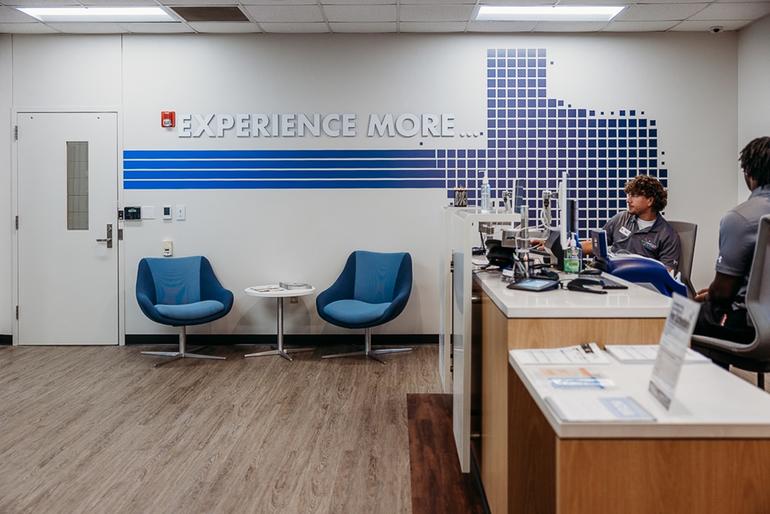
All three locations resemble typical CUTX branches with an ITM, coin counter, and other familiar finishes, but they each look slightly different, Pointer explained.
“The biggest difference I can share is that the Allen branch is located inside one of the largest high schools in the country. Our Little Elm and Richardson SMART Branches have an exterior door and additional security measures that allow us to serve the public,” he said.
Educational Ties that Bind
CUTX has ties to education that go back many years, Pointer said.
“The credit union was founded by a group of Dallas teachers almost 100 years ago. So, working with teachers and their students is part of our DNA,” he explained. “We’ve also had a longstanding partnership with Allen, Little Elm and Richardson (school districts), as well as with many other North Texas districts. Creating an extension of those partnerships was a natural move.”

Pointer emphasized the goals for the credit union and students are closely aligned.
“Our goal is to provide high school students with crucial, early financial education and resources to help them reach their long-term goals,” he said. “Beyond that, this program has also created a steady recruiting pipeline. We’ve hired several former SMART Branch students into permanent roles in branches and at our corporate office.”
More Than 200 Applicants
More than 200 junior and senior students applied for the 15 available bank manager, teller, financial literacy coach and marketer roles at CUTX’s newest SMART Branch. Prior to the branch opening, each student employee received two weeks of training in banking, marketing and financial literacy.
The student employees—who work between five and seven hours a week depending on their role— were chosen based on a variety of criteria, including their interest in or study of business or marketing, academic records, dedication to volunteerism, teacher recommendations, public speaking skills and interviews.
All student employees receive a $1,000 scholarship earmarked for future education-related needs each year they are employed with the branch.
All junior grade-level employees are eligible for re-hiring, although they must maintain their qualifications and interview again. Pointer said CUTX considers all student employees as potential future hires for permanent careers at the credit union.
‘Pay for Grades’
In addition to providing the same services available at other CUTX branches, including checking and savings accounts and auto loans, the branches also offer a “Pay for Grades” initiative. The semi-annual program is designed to reward students who receive excellent report cards with deposit funds—$25 for each A and $5 for each B—into their CUTX accounts.
Not ‘Insignificant’ Cost
Without sharing specific numbers, Pointer said the cost of building out a SMART Branch “isn’t insignificant. But, when balanced with the impact we can make on the communities we serve, it’s clear to us that it’s worth every penny. We’ve gotten great feedback from educators, administrators, employees, parents, and students. Tracking a clearly defined ROI for community engagement may be difficult. I’ve always believed we’ll know it when we see it. In our minds, the long-run impact of our investment in hands-on, financial literacy training will outweigh the cost every time.”
Several-Thousand Transactions
Pointer added that CUTX has processed a few thousand transactions and opened hundreds of checking accounts at the three locations.
“We’ve also coached more than 5,000 students through our student-led financial literacy workshops,” he said. “For students, our goal is that they obtain the financial literacy skills, confidence and knowledge of potential future career paths that empower them and others in the community to make sound financial decisions in the future. I think we’ve done that.”