

By Ray Birch
LOMBARD, Ill.—Should more credit unions be telling some members NOT to take out a loan, even if they otherwise qualify?
Yes, says one analyst, who sees an increasing risk and is urging credit unions to do more than offer financial education—including making financial counseling central to all lending decisions.
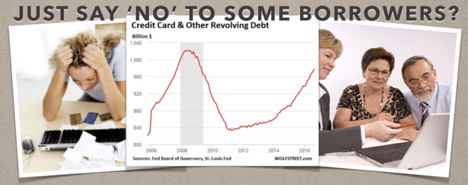
Bill Handel, VP of research and product development at Raddon Financial Group, asserts that the country’s economy is heading toward a precipitous point, with consumers taking on far too much debt than they can eventually manage. He said Federal Reserve data shows the average household consumer loan and real estate debt-to-disposable-income ratio today (130%) is more than twice as much as it was in the 1960s (60%)—a ratio steadily growing since the end of the latest recession.
Handel emphasized the importance of making financial counseling sessions the basis for all lending decisions.
“Lending is a big, important piece of credit unions’ business,” said Handel, who believes credit unions are best positioned to play this important counseling role. “Borrowing for the right reasons and in the right way is a lesson that many Americans don’t understand. They are taking on far too much debt, in many cases for the wrong reasons, without understanding the implications. They will get caught again like they did in 2007.”
Mounting Debt
CUToday.info has provided significant reporting around the mounting debt being held by American consumers, with analysts citing growing issues with credit cards, student loans and auto loan terms.
“I know credit unions talk a lot about financial education and financial planning, and many offer assistance here. But financial counseling should be the basis for how you deal with your members—the notion is not that I can make this loan to you, but is this the right type of activity you should be engaged in,” said Handel.
Debt, Handle pointed out, is what led to the Great Recession.
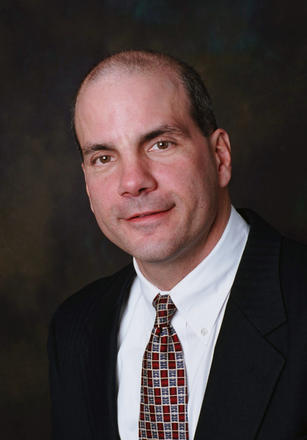
Bill Handel, Raddon
“People blame the mortgage industry, but the real issue was excessive debt in this country. The ability to easily get a subprime loan drove up massive amount of debt and real estate values, creating a bubble,” asserted Handel. “But the origin of everything was too much debt.”
Handle insisted that credit unions pay attention to the short- and long-term considerations in this matter, adding that he realizes CUs may find themselves in an unusual position at times.
“Are they are supposed to tell their members not to take a loan while lending is their business,” said Handel. “But in reality these two things don’t have to contradict each other.”
Short term CUs may lose some loans, but long term gain more in doing so by better positioning the credit union as the trusted, primary PFI for members’ lending needs, Handel said.
“Build your share of wallet on the lending side with your existing member base as they bring over more of their loans,” said Handel. “The average credit union has only one-quarter of their members’ lending business. Even if you help members rationalize their credit picture, you can still get more business, and new members as well.”
Move Away From Just Rate
Handle insisted that CUs need to get away from simply marketing on rate.
“That is the easy way to do things,” he said. “It’s time to take a more holistic view toward financial services, and if we do that as an industry we will have increasing success.”
Handel acknowledged that credit unions are recognized for wearing the white hats and looking out for account holders’ best interests as the big banks often take advantage of their customers. But he said CUs should take the good-guy approach a step farther.
“Credit unions look out for their members, as that is in their cooperative structure,” he said. “They help members make the right decisions and they need to strive to continue to do that and more—really understand how financially illiterate the average American is and provide even more counseling, making that the basis for lending decisions. Credit unions do that and their members will be better off, and the industry will be better off in the years ahead.”