

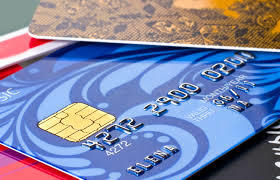
BOSTON—Get ready for consumer confusion at payments terminals later this year, according to a forecast from one analyst who says educational efforts by financial institutions around EMV and new mobile payments solutions will help avert a great deal of POS angst.
Thad Peterson, senior analyst at Aite Group, thinks credit unions and banks need to get started now with informational efforts—as well as merchants instructing cashiers—so they can guide consumers through a changing POS experience.
A new study by Aite suggests a big issue lies ahead: while major retailers are POS ready for the October 2015 Visa and MasterCard liability shift deadline, a large percentage of small merchants are not. That has been a consistent concern among analysts for well more than a year, and the Aite report indicates those fears will be realized.
“Research for our study, which we conducted late last year, shows that one-third of small merchants are unaware of EMV, let alone ready for the liability shift deadline,” said Peterson. “At this point I find that stunning.”
Retailer Education Needed
That means consumers will dip their chip cards at Walmart and then swipe the same plastic when they go to their local dry cleaner. “There has to be a significant effort on the part of the retailers, networks and issuers to make people aware of what’s coming,” said Peterson.

Thad Peterson, Aite
Peterson, said it will likely be a minimum two-year transition before EMV is fully implemented in the U.S. “I think we are seeing now some of the issues with the U.S. moving faster than other markets on the EMV implementation period. Most other EMV markets took 48 months to convert, we are taking 18. We will be in a mixed POS environment for at least a couple years.”
Chip debit capability, too, will lag credit EMV at the point of sale, said Peterson, likely beyond the 2015 liability shift deadline. The issues with sorting out debit EMV routing under the Durbin rules had merchants waiting until a solution was determined—a common application identifier (AID)—before they could move forward with debit EMV.
“From a tech perspective, POS terminals have been behind with debit EMV,” said Peterson. “The debit transaction is much more complex in the EMV space.”
Longer Wait At Checkout
Over the next year it won’t be unusual for consumers to pull out their credit card and dip their plastic into the EMV reader. And then, at the same merchant terminal, pull out their debit card and use it as mag stripe.
“This will not be an issue if consumers are educated, and especially if we have a well-trained workforce at the checkout lines,” said Peterson. “If the clerks are clueless, this could be a big deal.”
That could mean longer waits in line—also due to the chip transaction naturally taking slightly longer than a card swipe, Peterson added.
Just like small retailers will trail big box merchants, small FIs are expected to be behind the large banks with issuing EMV cards. Peterson believes a significant number of credit unions will not be ready by the October 2015 liability shift deadline.
Peterson thinks not only will this add additional fraud risk to the credit unions that lag behind—as the weakest link in the payments chain accepts the fraud costs after the EMV deadline—it will impact the CU’s relationship with its members.
“When consumers learn more about EMV and they see others dipping their cards while they are swiping, they may be concerned about the plastic their FI is issuing them, feeling like their bank or credit union is not protecting them,” said Peterson.
Out of the gate, chip and signature will be the standard at POS, said Peterson, noting merchants prefer chip and PIN, but FIs have pushed for consumers to sign.
One Change Is Enough
“Issuers felt that changing to EMV was a big enough burden for consumers that they did not want to burden them further by having to carry a PIN for their credit cards. I think over the next couple years the U.S., like the rest of the world, will move to chip and PIN.”
On top of all of the EMV changes, are all the advancements with mobile payments. In the wake of the debut of Apple Pay, Samsung purchased LoopPay and has introduced Samsung Pay. PayPal bought Paydiant. And Google acquired technology from Softcard, and also struck a deal with three of the four major U.S. carriers that will result in Google Wallet being preloaded onto future Android smartphones.
“There just is going to be a lot of confusion in the marketplace,” said Peterson. “The good news is mobile payments are finally ramping up. For Millennials and people who are aware of technology, all of these changes—EMV and mobile—won’t be a significant issue. But for others, they will need a lot of education.”