

By Ray Birch
LAWRENCEVILLE, Ga.—Moves by the Fed to increase rates as often as four times in 2017, as some analysts are projecting, could slow down new car purchases among subprime borrowers, asserts Black Book.
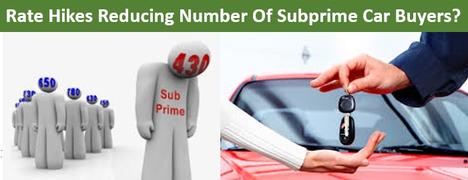
Anil Goyal, senior vice president of automotive valuation and analytics at Back Book, said if the forecasted rate increases happen in 2017 more subprime borrowers will sit on the car-buying sidelines. Buying decisions among prime borrowers, however, shouldn’t be greatly affected.
Goyal is further predicting that rising rates won’t further improve the appeal of leasing—which has been taking off in recent years—and that leasing’s growth will level off in 2017.
The real risk to the growth of new car sales, which experts have already stated is slowing, would be two to three rate increases this year, said Goyal. “That could make a difference,” he said.
Goyal does not expect the 25-basis-point increase from the Fed in December to impact any car-buying decisions. “That will only mean a few dollars a month on a payment, virtually imperceptible.”
Pullback?
But as rates continue to go up this year, as the Fed has hinted they might, subprime borrowers will feel the impact first, said Goyal, and pull back on car buying.
It isn’t larger auto loan payments alone that could drive subprime buyers out of the market. Instead, noted Goyal, it’s all the other debts these borrowers are carrying.
“They may have a mortgage that is variable. Their credit cards are likely a variable rate. And they might have a student loan. All of these payments rising could place pressure on the subprime customer,” Goyal said.
Goyal said rising rates, too, could reduce lenders’ interest in the extending as much credit to the subprime auto segment, which has rebounded quickly in recent years.
“If rates rise fast this year—two, three, even four times—we could see lenders tighten standards with lower-score borrowers,” he said. “We have seen auto lending delinquencies rise lately, but among subprime customers primarily.”
Credit unions cater less to the subprime than banks, something that should help keep the CU auto loan portfolio growing as rates rise, said Goyal. But he has concerns for the auto refinance business that credit unions rely on heavily.
“As rates rise, the difference between what the borrower is paying now and what they can get from the credit union becomes smaller,” said Goyal.
0% Deals
A rising-rate environment, too, will add to the attractiveness of manufacturer 0% offers, which Goyal said could appear in greater numbers next year.

Anil Goyal, Black Book
“I don’t expect the captives to shy away from 0%,” said Goyal. “In fact, 0% could become more predominant this year as the offer looks more attractive as rates go up—it stands out more than when interest rates are extremely low.”
In general, Goyal expects manufacturer incentives to increase this year since car production has not been cut back as new car sales growth has slowed. “The auto manufacturers need to move the metal,” he said.
Goyal predicts that rising rates will not increase the appeal of leasing, which has grown in recent years to account today for about 33% of all new car deals. Despite leasing offering a lower payment than a loan on the same car, the payment gap won’t be as great due to the fact residual values on leased vehicles won’t be as strong in the coming years.
“What really drives the cost of leasing is residual value, the difference between what you buy the car for and the depreciation,” said Goyal.
Leased Cars Back To Market
The flood of late-model leased vehicles coming back on the market is driving down values of used cars, hurting residual values, he said.
“In the last five years we have seen when leases come back there is actually profit to be had because the vehicle values have been strong,” said Goyal. “But we are starting to see losses on the back end now, and that loss is only expected to become worse next year as used vehicle values decline more.”
Black Book predicts that used vehicle deprecation will hit 17% by end of this year, possibly higher. In 2016, values dropped by about 16%. The depreciation rate was about 13% between 2011 and 2015, when the supply of used cars and trucks was limited due to people holding onto their cars longer.
And it’s not just all leased vehicles coming back to market affecting used values. Dealer incentives are playing a role.
“If, due to incentives, you are selling a new car for less, that has a direct impact on the used market,” said Goyal.