VANCOUVER, B.C.–At their core, what credit unions are really about is human connection, according to one person who shared with CUs five ways to improve those connections—and not just with members, but with peers, personal relationships and more.
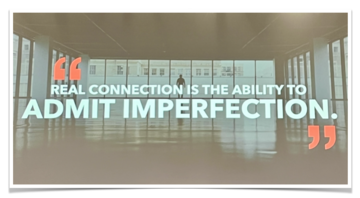
“Communication happens everywhere. But especially in this virtual world, real connection is hard to find,” Riaz Meghji told the World Credit Union Conference here.
Meghji, a “human connection expert and author of the book “Every Conversation Counts,” said the challenge to credit unions as a global community is how to persuade, motivate and influence members, but CUs will not succeed if they do not connect first.
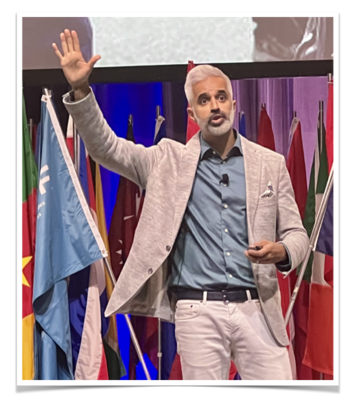
Riaz Meghji speaking to World CU Conference.
Three Questions
And to make those connections, Meghji said CUs (and individuals) must answer three questions:
- Do you care about me?
- Are you listening to me?
- Can I trust you?
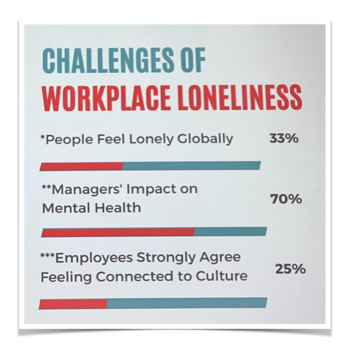
Connections have become even more important, according to Meghji, because for all their technological connections, people feel more lonely than ever before.
“Lonely workers are twice as likely to take a sick day as connected workers, and five times as likely to miss work due to stress,” he said. “It is killing us.
‘Never Been Greater’
“The opportunity you have not only for your teammates, for your employees and for your members has never been greater when it comes to prioritizing connection,” Meghji told the meeting. “We have a great challenge that exists in this era of digitization. If we want to attract a younger member base…we need to use connection as a tool. Some of you might be thinking, ‘Hey, look, connection is great, but I have so much more to do. I don't know if I have time to include this as a priority.’ Well, if we don't make time for connection, we will have to make time for misunderstandings, because when we send a text or an e-mail and we think we're being crystal clear, 50% of the time that message is misunderstood.”
Meghji reminded that “words have the power to teach, inspire or destroy a person, but the right words at the right time can be life-changing.”
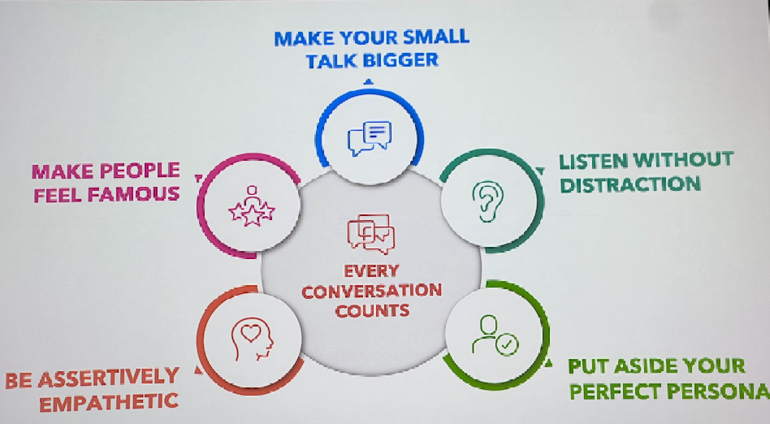
The five habits Meghji said can improve connection include:
Habit One: Make Your Small Talk Bigger
Meghji said the quality of questions will determine the depth of connections. To that end, he recommended starting small, as in small talk, adding that small talk can have a big effect on both parties.
“If we want to start by making our small talk bigger, I invite you to look at how you can ask first and talk second and ask the questions that ChatGPT cannot. What are the questions you can ask that dive into the human condition to consistently build that trust? What I've learned and seen over the years is that questions that start with ‘how’ and ‘what’ lead to more expansive responses, as opposed to who, when and where.
“The beauty of curiosity is it ignites self-discovery and self-reflection,” he continued. “And when people open up we can prompt positive emotion.
Three Things in Common
Meghji said the research shows the happiest people have three things in common:
- Something to do
- Someone to love
- Something to look forward to
“Taking the opportunity to ask these questions and prompt emotion makes a major, major difference,” Meghji said. “You get to explore stories, not just answers, because stories are where emotion lives and that emotion is what connects us.”
Habit Two: Listen Without Distraction
On the other side, Meghji said the question is how does the other person react? The response allows the opportunity to recalibrate the connection, he stated.
He urged leaders to ask subordinates and others, “What is it like being on the other side of me?”
“You’ve got to be ready for that response,” he cautioned. “Our ability to lean in and listen and improvise is where real connection can happen. The first response that comes out of that person’s mouth tells me the priorities of that person. You can then prioritize their priorities.”
Meghji further recommended credit unions “keep a beginner mindset” and bring in people to the credit union who can help brainstorm for questions, not for answers.
Habit Three: Put Aside Your Perfect Persona
The three components of this habit, said Meghji, are:
- Go First
- Convey Credibility before vulnerability
- Share Your Transformation
“If you want to create a culture of trust and collaboration, go first and show you trust them,” Meghji recommended. “The person on the other side may not respond right away, but be consistent with the gesture and over time they will know this is a space where they can open up. I fully recognize the question in your mind might be, well, when is the right time for vulnerability? What if it backfires? In psychology there's a term known as the ‘profile effect’ and it's important to convey credibility before vulnerability.”
Habit Four: Be Assertively Empathetic
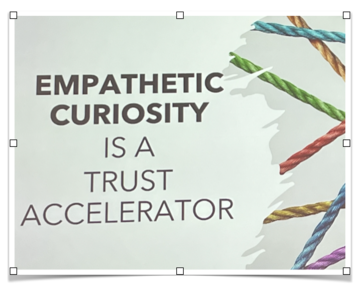
Empathy, said Meghji, is a “trust accelerator.”
It’s also a habit that can resolve problem issues faster. He noted one-in-four leaders puts off a difficult conversation for six months; one in 10 for two years.
The three keys to being assertively empathetic, according to Meghji, are:
- Start with relationship first, logic second
- Focus on what you agree on
- Have courageous curiosity
Before Jumping In, Ask…
“If we're putting that spotlight on the person in front of us, one of the questions we can ask before we jump in is, ‘Hey how do you feel?’ Maybe somebody is stuck wrapping their head around how they're going to survive the age of digitization. Reframe and invite them to provide the solution…Lean in with that humility…Ask, ‘Hey, what's the question I failed to ask to understand your reality? How could I show up for you in greater ways?’ When we do this we deepen the rapport; even if we disagree we can still focus on what we agree on--what is the greater purpose and find that commonality.”
Habit Number Five: Make People Feel Famous
If a credit union leader follows all the habits outlined above, Meghji said it will create “milestone moments for the people that matter most.”
“If we celebrate our people we have the opportunity to cultivate a culture of loyalty in our lives,” said Meghji. “This industry may be evolving in the age of digitization and it can impact how we serve on a daily basis, but the one thing that doesn't change is the need for trust and human connection.”
On a personal level, Meghji urged attendees to reach out to one person and let them know the difference they made.