

WASHINGTON—A federal judge on Wednesday halted the Trump Administration’s plan to lay off thousands of federal employees during the ongoing government shutdown, ruling the effort appears politically driven and legally improper, POLITICO reported.
However, one attorney told CUToday.info this ruling will likely not send fired workers—including CDFI staff—back to the office soon.
U.S. District Judge Susan Illston of California, a Clinton appointee, said the Administration failed to follow required procedures for reductions in force (RIFs) and overstepped its authority. In her ruling, Illston pointed to public statements by President Donald Trump, Vice President JD Vance, and OMB Director Russell Vought as evidence suggesting the layoffs were unlawfully aimed at Democratic employees, POLITOCO said.
The judge’s order blocks Administration officials from “taking any action” to issue RIF notices to federal workers represented by the American Federation of Government Employees, the country’s largest federal employees’ union, POLITICO said.

Brandy Bruyere
The Administration appears to have “taken advantage of the lapse in government spending and government functioning to assume that all bets are off, that the laws don’t apply to them anymore and that they can impose the structures that they like,” Judge Illston said.
According to POLITOCO, Justice Department attorneys repeatedly declined to provide Judge Illston with a legal rationale for the Trump Administration’s mass layoff plans, saying they were prepared only to discuss procedural issues such as jurisdiction. The government contended that federal employees must pursue administrative remedies—through the Merit Systems Protection Board or the Federal Labor Relations Authority—rather than challenge the layoffs in court.
DOJ attorneys added that the lawsuit is premature because many agencies haven’t actually decided on the scope or whether to implement RIFs at all, POLITICO noted.
Brandy Bruyere, a partner at Honigman LLP, told CUToday.info the outlook for the RIFs—and whether terminated federal employees might be reinstated—remains uncertain.
“I would expect the government, like in similar cases challenging various firings, will appeal and probably ask for a stay that would essentially prevent people from going back to work as this goes through the court system,” Bruyere sad. “While it remains to be seen how the Supreme Court will ultimately deal with these issues, the Court has certainly seemed inclined to give pretty broad executive authority to terminate people.”
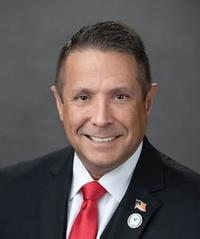
Anthony Hernandez
Defense Credit Union Council President and CEO Anthony Hernandez noted the Supreme Court in May lifted a similar temporary restraining order issued by Judge Illston.
“While the courts straighten out the Constitutional implications, I would encourage all credit unions to keep in touch with their members and to continue providing as much relief as possible to minimize the impacts from shutdown,” Hernandez said. “This is where the industry earns its place in the financial services sector. ‘People Helping People’ always matters.”

Jim Nussle
America’s Credit Unions President/CEO Jim Nussle noted the RIFs were expected to face a series of legal challenges and appeals, "similar to what we've seen with removed officials. America's Credit Unions will closely monitor proceedings and keep credit unions informed of developments. In the meantime, we continue to urge Congress to come to a funding resolution to restore the government's functions. We also maintain our advocacy on the importance of the Community Development Financial Institutions (CDFI) Fund in strengthening local communities, and the need to ensure the fund runs efficiently once the shutdown ends."
The Trump Administration has issued RIF notices or fired more than 4,000 employees during the shutdown, which has now lasted 15 days.