

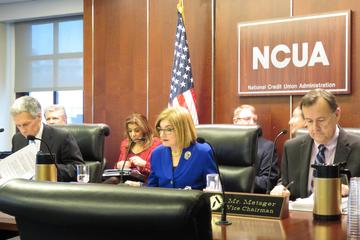
L-R, Mark McWatters, Debbie Matz, Rick Metsger
ALEXANDRIA, Va.—The NCUA board Thursday voted 2-1 to approve the new proposed risk-based capital rule, with board Member Mark McWatters casting the dissenting vote.
McWatters said NCUA lacks the authority to issue a two-tiered RBC rule.
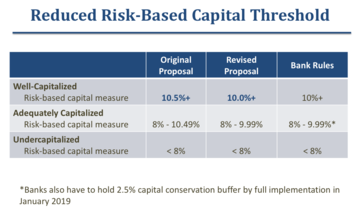
The new proposal exempts credit unions with up to $100 million in total assets from the new rule and lowers the risk-based capital ratio level required for an affected credit union to be classified as well capitalized from 10.5% to 10%.
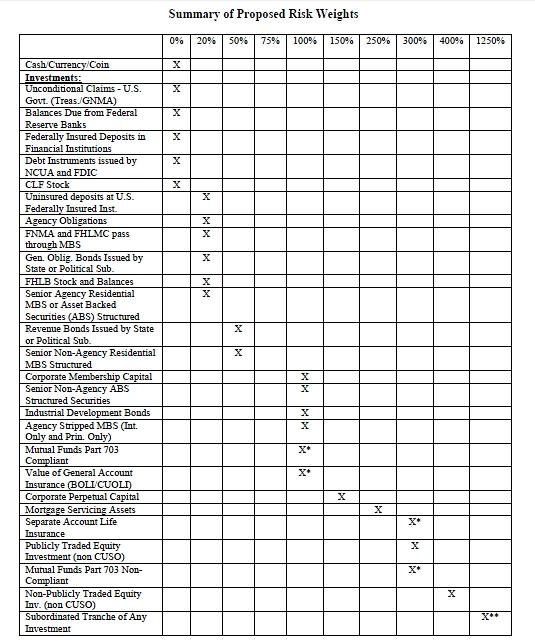
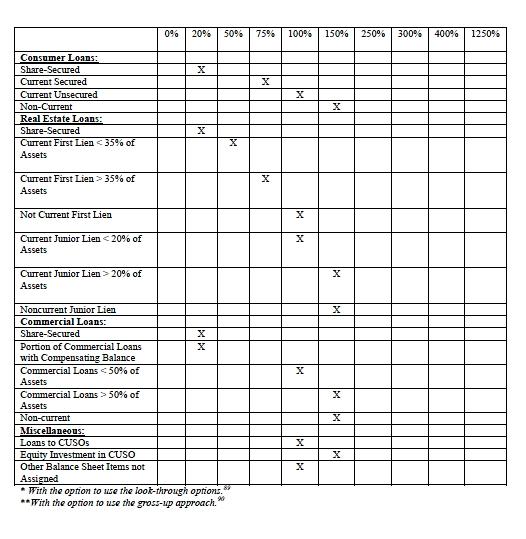
For a summary of the new proposed risk weights, scroll down.
The agency also removed the individual minimum capital requirement, a primary concern among many credit union leaders. NCUA explained there will be a 90-day comment period, and that the rule's implementation timeframe will extend to January 1, 2019.
The previous proposed RBC rule, issued in January 2014, received heavy fire from inside and outside the credit union community, including more than 2,000 comment letters to NCUA.
Focus of much of the comments centered on the original proposal’s 10.5% requirement to be well capitalized, risk weights, ensuring a second comment period and the allotted time for the implementation period, and interest rate risk being part of the proposal.
Among the changes being proposed from the original plan:
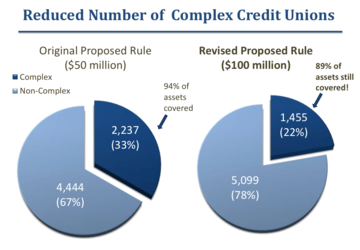
- There is an increase in the asset size at which credit unions would be covered by the rule. The new threshold is $100 million in assets–double the originally proposed $50 million-in-assets cut off. The agency said this change exempts nearly 80% of credit unions from being covered and "provides a clear line of demarcation" for credit unions that are or are not engaging in complex activities.
- The minimum risk-based capital ratio for well-capitalized credit unions has been reduced to 10% from the originally proposed 10.5%
- Risk weights have been adjusted to remove the weighted average life interest rate risk component, and, the agency said, makes investment risk weights more comparable with bank risk weights (see below).
- The concentration threshold at which a higher risk weight is applied to commercial and residential real-estate loans has been raised.
- A lower risk weight for fully share-secured loans has been set.
- A lower risk weight for real estate loans secured by non-owner occupied one-to-four family residential properties has been assigned.
- The risk weight assigned to equity investments in CUSOs has been reduced.
- The cap on the amount of Allowance for Loan and Lease Losses accounts that can be included in the numerator of the risk-based capital ratio has been eliminated.
- The definition of "past-due loan" has been changed to 90 days delinquent from 60 days.
- The proposal allows for goodwill and other intangible assets specifically related to a supervisory merger occurring before the rule is finalized to be included in the RBC ratio calculation for an extended phase-out period to 2025.
IRR Removed
NCUA Chairman Debbie Matz already stated that interest rate risk would not be part of the new proposal, and the board confirmed that Thursday. Today the board estimated it will cost to agency $3.7 million over three years to implement the new rule.
The agency estimated $5.1 million to be the cost to all CUs for the new rule. NCUA explained that the proposal will require just 27 high-risk CUs to raise their capital.
“Additionally, the revised proposed rule is well targeted,” said Matz. “It applies to the 22% of credit unions holding more than $100 million in assets, and it covers 89 percent of credit union system assets, which better protects the Share Insurance Fund.”
Larry Fazio, director of examination and insurance, stated that the new proposal more closely aligns NCUA's risk weights with other regulatory agencies. “The 10% risk-based capital ratio for well-capitalized CUs, and 8% for adequately capitalized institutions aligns with other financial institutions.”
Fazio also contends that “$100 million is a good proxy for complex, since it is a clear demarcation where CUs are involved in complex activities. This would exempt almost 80% of all CUs from complying, while covering 90% of all assets in the system. This provides regulatory relief for smaller institutions, and removes a checklist of activities to determine whether an institution needs to comply."
Related
McWatters Challenges NCUA’s Legal Authority To Issue Two-Tiered Rule