

By Ray Birch
LOMBARD, Ill.—With an “uncertain” economy still ahead, one analyst is telling credit unions to pay close attention to their lower-income members, no matter which way the economic pendulum swings.
“It's an interesting year so far,” said Bill Handel, SVP of research at Raddon, a Fiserv company. “The thing that's sitting over everybody is the economy. No one really knows where it is at, let alone where it's going.”
Handel noted some economists had been sharing data on a strong economy.
“But, we've had some weakening since that point,” he said. “We've had questions about whether or not we're going to have a soft landing, whether or not we're going to have a recession. I think even the Fed has no idea. If you watch the behavior of the Fed, I don't think they really know. They signal different things one week to the next. I think that's probably the greatest uncertainty that's sitting out there is what's going to happen to us economically over the course of the next year.”
The Growing Concern
The commercial real estate problems are a big, growing concern, reminded Handel.
“There's somewhere around $2 trillion of commercial real estate loans that need to be refinanced,” he pointed out. “A high proportion of those commercial loans are interest-only and need to be refinanced over the next four to five years. Two-trillion dollars is a lot.”
As vacancies have risen due to more companies no longer requiring many workers to be on-site, many of the commercial properties have declined substantially in value. Handel said he is worried lenders will begin to see borrowers hand over keys to their buildings, just like many borrowers did with automobiles and homes during the Great Recession.
Additional Economic Issues
Handel pointed to other issues impacting the economy.
“One is the labor market shift, and that's happening right now with the retirement of Baby Boomers,” he said. “This retirement has really disguised, helped to soften any kind of potential blow to the labor market. The fact that Baby Boomers are retiring has led to availability of jobs. But the evidence right now is that job openings are harder and harder to find compared to four to five months ago.”
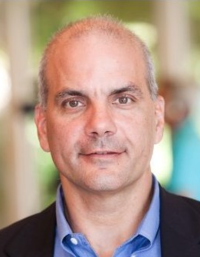
Bill Handel
With a “pall” hanging over the labor market and the economy, Handel reminded the Fed still has work to do on inflation, and perhaps its most difficult work yet.
The Last Mile
“We’ve seen the drop in inflation from 9% down to 3.5% to 4%,” he said. “You feel pretty good that the Fed has done its job. But what we all will really feel is that last mile, to get 4% core inflation down to 2%. That is going to be very, very difficult for the Fed to get to, for a number of reasons. Part of it is international. Things that are happening in Middle East, just look at the price of oil. The Fed signaled, prior to their last meeting, that they would do three rate cuts this year. We don't believe that will happen until much later in the year, if it happens at all. I think that's going to put a little bit of damper on a lot of things.”
‘Some Things to be Optimistic About’
If the Fed doesn't lower rates in their March meeting, Handel predicted the stock market may downturn slightly.
“Now, having said all these things that are a little bit negative, I do think there are some things for this the credit industry to be optimistic about,” he said. “I think the credit union industry is very well prepared to meet the demands of members. But what they have to do is understand there's a little bifurcation happening ow. What I mean by that is that among the bottom quarter to maybe the bottom third of the population now, households are actually in recession.
“You can see that in in some of the data,” Handel continued. “I think you can use the term recession in the subjective sense—these Americans are feeling worse, possibly substantially worse, today than they have in a while. Inflation is taking a major toll on consumers, and I think the inflationary impact has been much greater on the lower end of the marketplace than on the upper end. Core goods prices have risen so rapidly, and the impact has been felt to a much larger extent on low-income Americans.”
What Card Balances Reveal
The availability of higher-paying jobs is still a problem facing the lower end of the marketplace, pointed out Handel, noting this consumer segment has taken on more debt, which is clearly seen in credit card balances.
“The high price of transportation, too, is not helping this consumer segment,” Handel said, adding keeping up with the “dramatic” rise in vehicle prices—$47,000 for the average new vehicle, according to some reports—has been harder on the lower-income workers. “We’re seeing such a rapid rise in auto loan debt. It's probably fair to say that the lower end of the income scale is probably already in some pain right now economically.”
What Should a Credit Union Do?
Give this backdrop, what should credit unions do this year?
“They need to help members make prudent and correct financial decisions, Handel said. “Credit unions have been trying to do this, but haven't been as successful as they might like. This is something they should be really focused on.”
Handel illustrated the gravity of the situation, pointing to how consumers paid down debt at record levels during the pandemic, and now have reversed course to rack up record-level debt.
“We saw, I believe, more than a 10% decline in credit card balances (during the pandemic),” recalled Handel. “It was really a significant decline. I remember people saying, ‘My gosh, we are finally beginning to understand things.’ Now, on a percent basis, we’ve seen some of the most rapid increases in credit card balances ever.”
Another Pandemic Change
Handel contended part of the growing debt problem is being spurred by new spending habits created during the pandemic. Not being able to get out and spend with the country on lockdown, consumers picked up their online spending and had a lot more purchases delivered to their homes. That spending habit is still with many Americans as they have gotten back to a more normal life, shopping at retail outlets, traveling…
“So, some people are running up massive levels of debt now. That's where credit unions should be focusing their efforts,” concluded Handel. “Step up efforts to help members make the best financial decisions.