

By Ray Birch
BIRMINGHAM, Ala.—Executive benefits have become an increasingly important piece of the hiring package, and that trend is only accelerating with the war for talent being felt by every employer, says Dennis Dollar.
Those richer benefits packages obviously come with higher costs. That’s the reason a new CUSO, BenefisCU has been launched—to help credit unions recover some of the money they are spending on executive benefits in the form of a patronage dividend. It’s a move that will help credit unions compete more effectively with organizations vying for their talent, according to the former NCUA chairman.
"Executive benefits have really come to the fore over the past 10 years as growing credit unions try to recruit and retain top quality executive talent in a very competitive executive pay and benefits marketplace,” said Dollar, principal at Dollar Associates. “To recruit and retain the best and the brightest it has almost become essential that a credit union offer some type of split-dollar or 457(f) executive benefits program to its current executives. It keeps them competitive so these employees stay with the credit union, and it helps to recruit new talent that already has these type of benefits.”
With surveys showing 40% of credit union CEOs will reach retirement age in the next five years, Dollar said that a major shift in C-suite occupants is about to occur—most from within credit unions and some coming from outside.
“EVPs will become CEOs and other execs will move up to EVP, thus creating new executive slots to be filled both internally and externally,” said Dollar. “And the execs that don’t get the promotions will begin looking elsewhere for their career path.”
Coupled with a current job market where demand far exceeds supply driven right now, even in the executive ranks, it is more difficult for credit unions to keep their talent and replace those who leave with someone as good or better than the person who exited, Dollar explained.
Removing the Handcuffs
“The best way to retain is through executive benefits plans that are essentially golden handcuffs that make it too costly for execs to leave,” said Dollar. “And if they do leave and credit unions have to replace them, they are going to have to offer executive benefits better than what the applicant is leaving behind somewhere else.”
The most often-used golden handcuff programs for executive retention are split-dollar plans that are loans by the credit union that fund benefits for the executive who stays a certain period of time to vest in the benefit. The loans are backed by a life insurance policy on the executive.
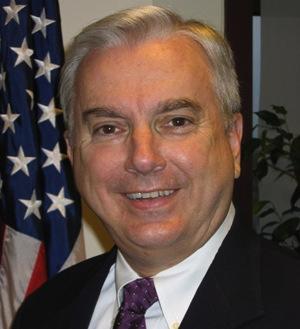
Dennis Dollar
As well, 457(f) retirement plans, also known as SERPS, are often used for this purpose. Credit unions, which have lagged behind banks in providing such benefits, according to Dollar, are just in recent years beginning to see the necessity of using these benefits programs to compete for executive talent.
Dollar, too, said credit unions offering strong benefits packages is a sign of a growing, maturing and more competitive movement as CUs compete not just with each other for executive talent, but also with other industries as well.
Revenue Sharing
"There are a number of sources offering 457(f) and split-dollar executive benefit plans, as well as credit union owned life insurance, or COLI, but none of them are owned by credit unions and have a significant percentage of the sales commission going back to the credit union that buys it,” explained Dollar. “That, the revenue sharing piece, is the primary differentiator that becomes possible through the CUSO structure. Not only will there be credit union equity owners of BenefisCU that will get a share of the profits, but there is an opportunity for non-equity owning credit unions to participate in the revenue sharing as associate members. This, we feel, can be a true market differentiator."
Dollar cited research that found there has been more than $2 billion in commission revenue that has been earned off of credit union sales of split-dollar, 457(f) and COLI over the past ten years, “almost all by large, for-profit entities, some publicly traded,” stated Dollar. “However, they have not shown a real willingness to share revenue in a collaborative manner with the not-for-profit cooperative credit unions from which they have earned these commissions.”
Pricing the Plans
The pricing of most split-dollar, 457(f) and COLI products are market based and fairly standard, Dollar said.
“The difference BenefisCU will offer is the ability of the credit union to get part of the price they paid back in the form of a patronage dividend, both a higher percentage for the equity owners and a significant, although somewhat smaller, percentage for the non-equity associate members,” Dollar said. “The CUSO is going to allow credit unions to get back part of the commission revenue, again, as a patronage dividend for doing business with the CUSO, that is now being earned entirely or almost entirely by the selling company.”
Keepng the Funds Inhouse
Dollar reminded that COLI is allowed under NCUA regulations.
“And NCUA general counsel opinions for credit unions to increase their investment earnings from these otherwise impermissible investments as along as the proceeds are utilized to pay for staff benefit costs,” explained Dollar. “More and more credit unions are purchasing COLI, but the commissions are largely going outside the credit union.”
Dollar noted that some credit unions have begun to offer executive benefit products to their larger business members and to many sole proprietor business members who want to protect their investment and ownership interests.
“Most have had to do so by referring their business members to a for-profit, publicly traded firm or a local insurance agent to service their members, but they receive little or nothing back for the referral,” said Dollar. “Under this CUSO, equity owners and associate members will be able to refer their business members needing these business protection products to the CUSO and know that they are being treated in a credit union-centric manner by a credit union-owned CUSO with a patronage dividend coming back to the credit union for the referral they are now receiving little or nothing in return for."
Other Partners in CUSO
Dollar said he and his firm watched TriscendNP pilot the offering with Goldenwest Federal Credit Union in Utah, a Dollar Associates client, and then decided to invest in the CUSO. Both Goldenwest and TriscendNP are co-owners in the new CUSO. Other credit union owners of BenefisCU are American Heritage FCU in Philadelphia, Desert Financial CU in Phoenix, MAPS CU in Salem, Ore; Redstone FCU in Huntsville, Ala.; Sandia Labs FCU in Albuquerque, N.M.; MSU FCU in East Lansing, Mich., and University FCU in Austin, Texas.
“We believe that the executive benefits and COLI market has frustrated a lot of credit unions, including many of our clients, by the amount of commissions many outside firms are making off of credit union purchases and the lack of a good, dependable revenue stream option for the credit union itself through a patronage dividend,” said Dollar. “This CUSO solves that problem, and we anticipate additional equity owners over time and certainly a large number of associate members who do not have to invest anything but can still share in the patronage dividends."