

By Ray Birch
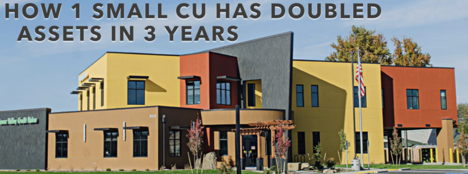
SUNNYSIDE, Wash.—One small CU almost doubled its assets in the last three years thanks to a program that grants auto and mortgage loans to the underbanked.
The program from Lower Valley Credit Union provides loans to immigrants who lack a Social Security number but have an Individual Taxpayer Identification Number (ITIN).
The move has not only jump started the $111-million CU’s lending and growth, the credit union says it is also building a base of members who are establishing credit scores and improving their financial standing. LVCU said 69% of these members have improved their credit score at least one tier within the first year of their loan, and that the loans are performing better than loans from its mainstream members.
Over the past three years, Lower Valley, a CDCU that serves a large Hispanic community, has not only offered loans to assist undocumented immigrants in meeting their needs to build a life in America, it is has partnered with community groups to develop a path-to-citizenship loan to help immigrant members cover expenses associated with the naturalization process.
Excellence In Lending
CU EVP Josh Beck said the auto and mortgage loans to the underbanked are the primary reason the credit union has grown assets by more than $50 million during the last three years. The credit union’s lending program recently received an Excellence In Lending award from CUNA Mutual Group.
“We have been offering the auto loan to members with ITINs before 2012,” said Beck. “But in 2012 we expanded from just offering the loans in-house to members to include indirect borrowers as well. And in 2015 we expanded the program to include mortgages. Previously we had offered mortgage loans to members with ITINs, but they had to have another borrower on the loan who had a Social Security Number.”
Those moves have grown Lower Valley’s entire loan portfolio to more than $90 million today, up from $40 million in 2012. Loans to members with ITINs represent more than 60% of the CU’s loans.
“These are solid loans,” said Beck, adding that the delinquency rate is about 1%, ten basis points better than loans made to members with Social Security numbers.
Beck said Lower Valley has developed a skill in offering these types of loans over the years. The credit union has learned that these individuals, who do not have Social Security numbers and are searching for a financial institution to give them a loan—often for a car to get to work—are grateful for the chance the CU gives them.
“As a result, they are loyal to the credit union, they pay us first, and they do whatever it takes to make sure they pay their loans on time,” said Beck.
Reliable Borrowers
He said these members also want the loans to perform well, because they understand they are building a credit history, often for the first time.
“Many of these borrowers hear about our loans from a family member or a friend, who has very good things to say about the credit union and the chance we are giving them,” said Beck. “That builds loyalty right from the start.”
What also makes the loans perform is the credit counseling provided to the borrowers when they take out the loan, a one-to-one session from a certified financial counselor on staff. Beck said that sometimes the meetings lead to borrowers learning they must wait six months to build a one-year work history, which the credit union requires.
“But they go away and six months later they come back,” explained Beck, who said the credit union will accept a work history that shows a person has been paid consistently for the last 12 months, even though it may have been from several employers.
The credit union’s unique approach to its collections process also has kept the loans performing.
When a borrower is late on a payment, the officer who made the loan to the borrower handles the collection during the first 15 days.
“We feel it is best to have the person who has built the relationship with the member call the borrower back. It really becomes another financial counseling discussion, trying to help the member determine why they didn’t have the money to pay, figure out why they are struggling. We also let them know there are consequences to not performing on the loan. All of this has helped a great deal in getting members back on track,” said Beck.
Last Chance
If that call does not work, the loan is then turned over to the collections department.
“We then let members know that this is their last chance to bring the loan current,” said Beck. “And if that doesn’t work, we repossess the car, if it’s a car loan. Sometimes we repo the car and then give it back to the member when they bring the loan current.”
In 2014 Lower Valley also started offering path-to-citizenship loans to cover expenses associated with the naturalization process. Beck said the credit union has made about 35 of the loans, which range from $580 to $1,500.