

By Ray Birch
PRINCETON JUNCTION, N.J.—Contactless chip cards, dual interface EMV plastic that can either be dipped or tapped, are becoming more common—and that’s good news for mobile wallets, according to one analyst.
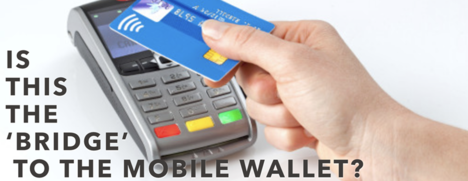
Randy Vanderhoof, director of the U.S. Payments Forum, says contactless chip cards are the bridge that will carry consumers from traditional plastic and EMV cards to mobile wallets.
As CUToday.info has extensively reported, mobile wallet adoption has continued to lag behind expectations, as many consumers have yet to see the advantage of pulling out their phone over using their cards.
But Vanderhoof told CUToday.info that contactless plastic will help consumers see the ease and convenience of the tap, and eventually migrate them over to greater use of digital wallets.
Some experts, however, have stated that dual interface chip cards could leapfrog digital wallets, and lead to even slower adoption of digital wallets.
Changing Attitudes
But Vanderhoof does not see that happening. Instead he not only sees contactless plastic changing consumers’ attitudes toward tap and go, but merchant acceptance of NFC payments, as well.
Vanderhoof expects that this year more issuers will offer contactless chip cards, especially as they replace EMV cards that were issued near the October 2015 liability shift deadline. The combination of more consumers with contactless plastic and digital wallets will put pressure on retailers that have yet to activate their POS terminals’ NFC capability, he said.
“I think more retailers will begin to think, maybe I better activate my terminal for both mobile wallets and dual interface chip cards,” said Vanderhoof.
But it will be consumers first driving the shift to NFC, emphasized Vanderhoof.
“Right now consumers can pay by either inserting their chip card or tapping their phone. But they have been used to using their cards, so many don’t pull out their phones,” he said. “But when they get a plastic card they can tap, as well as insert, they will begin to see the ease, speed and convenience of tapping over dipping. That will begin to change their mindset and eventually lead them to begin tapping with just their phone. They will say I might as well just tap my phone instead of pulling out my card.”
As consumer behavior shifts, Vanderhoof believes cardholders will then apply pressure on merchants that don’t accept contactless payments, asking them why their terminals are outdated.
“Unlike today, consumers will begin looking for retailers that accept tap-and-go,” said Vanderhoof. “Retailers will likely get feedback from consumers about why they don’t accept contactless, and will begin to change.”
Vanderhoof pointed out that most of the EMV terminals currently installed accept NFC payments, but the retailer must first upgrade the POS software, and go through testing and certification for contactless payments.
“Again, most retailers have not done this because there has not really been the need,” said Vanderhoof. “This year you will begin to see more of those merchants that have been holding out invest in the software upgrade and go through certification.”
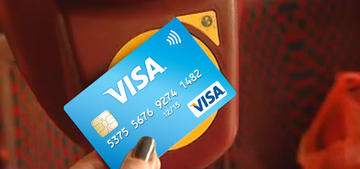
Issuers are seeing the advantages of offering dual interface chip cards, despite the cards’ higher cost.
“There is a business case for cards that are preferred by consumers because of their features,” said Vanderhoof. “As people carry multiple cards, having this extra feature that adds convenience likely will raise the card to top of wallet, which means more transactions.”
Cash Transactions
Vanderhoof also explained that in other markets that have moved to contactless plastic that the number of cash transactions has declined.
“We’ve seen that people just get used to the convenience of tapping their card and use cash less,” he told CUToday.info. “That means issuers will see a shift in their cardholders’ spend, moving more of their cash purchases to cards.”
The key to the future of digital wallets is changing consumer behavior, getting them accustomed to and thinking about tapping at the point of sale, which Vanderhoof reiterated the dual interface cards will begin to do this year.
He also said that digital wallets will be the eventual winner over contactless plastic because of their ability to offer rewards, on-the-spot discounts, and interact with merchants and issuers.
“There is that extra capability that exists in the mobile channel over plastic contactless,” said Vanderhoof. “But I will say that contactless card usage will still be higher than mobile for a while because the vast majority of shoppers are not yet thinking about using their phone as their primary form of payment today. But someday they will.”