

By Michael Fryzel
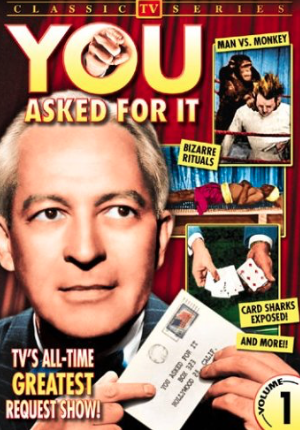
Many decades ago there was a television show called “You Asked For It.” They called it a human interest show; in today’s world it would be called a reality show. People would send in postcards and request something they wanted to see. Wikipedia references one request from someone who wanted a reenactment of William Tell shooting an apple off his son’s head with a bow and arrow.
(As a quick aside, a post card is a 3x5 inch piece of very thin cardboard on which you could write a note on one side and someone’s address on the other. You could then mail it for a lot less postage that a first-class letter.)
The recent interest in credit union mergers and eye-raising payments to individuals of the merging credit union appears to be gaining tremendous traction. The initial traction came in early March, when Frank Diekman penned a column about the “payoffs involved for board members” at an acquired credit union. Having attended the recent Governmental Affairs Conference in DC, Frank reported on numerous conversations he had with credit union CEOs and league presidents who expressed their views of “mergers taking place that aren’t in any way being driven by what might be in the member’s best interest.”
The next week he wrote again after hearing from a number of credit union individuals aware of the payoffs taking place and acknowledging no one wanted to publicly discuss the “ugly reality” within credit unions.
I offered my opinion on the issue and warned that if the industry didn’t find a way to improve the merger disclosure process and correct the abuses, NCUA would.
Unfortunately, No Group Has Jumped at Chance
One would think that after reading what a long-time credit union journalist had to say about the issue as well as reading the comments of a former NCUA chairman, someone–other than the regulator–would develop a best practice guideline for mergers that credit unions voluntarily agree to and follow. Unfortunately, neither of the two trade organizations jumped at the chance to be the leader in advocating true disclosures to members.
Acting NCUA Chairman Mark McWatters noted the existing failure to fully disclose pertinent and costly information to credit union members. He called for credit unions to provide information relating to “any change in control payments and other management compensation and awards and agreements” before any merger vote.
Moving swiftly to correct a problem that could be of embarrassment to the industry, the NCUA board at its May meeting submitted for public comment a proposed rule that would insure full and timely disclosure of pay to play payments.
Whose Best Interests?
As I stated in my March 10, 2017 opinion piece, mergers happen every day in business and finance. The problems with some of the recent credit union mergers are the size of the incentive packages being offered and whether those receiving them are looking out only for their best interest rather than that of their members.
The NCUA proposal is out for 60 days and the comment letters should make interesting reading. As Frank Diekman said, “It’s going to be fascinating to see how the CU trade groups respond.” Yes it will, since one reportedly has said they fear it will prevent mergers from moving forward. Really?
NCUA wants to know how far down the management line should the disclosure go and should all credit unions state and federal, be required to comply? Credit unions pride themselves on being open and honest with their members and their trade associations have always demanded full disclosure and transparency from the regulator. So ,it is only fair the rule should be as inclusive and encompassing as possible.
How It Should Read
And this is how it should read: “Any federally chartered or federally insured credit union seeking to voluntarily merge with another credit union shall disclose, prior to any membership vote, the names of all individuals who will receive any benefit, monetary or otherwise, as a result of that merger.”
For years I have advocated for regulations to be reviewed and eliminated or revised if their purpose had ended and they impeded the ability of credit unions to grow, prosper and better serve their members. In the Agency Action Plan I drafted for President Trump’s Transition Team, I included a recommendation that every rule enacted since the 2008 financial crisis that is no longer needed, including the risk based capital rule, be repealed.
To have another rule put on the books goes against the regulatory relief the Administration is working to implement. But this one is not on them because, You Asked For It.
Michael Fryzel is the former chairman of NCUA and NCUA board member who is now in private practice in Chicago. Mr. Fryzel can be reached at meflaw@aol.com.